The School I Almost Never Visited
An unexpected encounter in Khajuraho, India · April 21, 2014
I had never heard of Khajuraho.
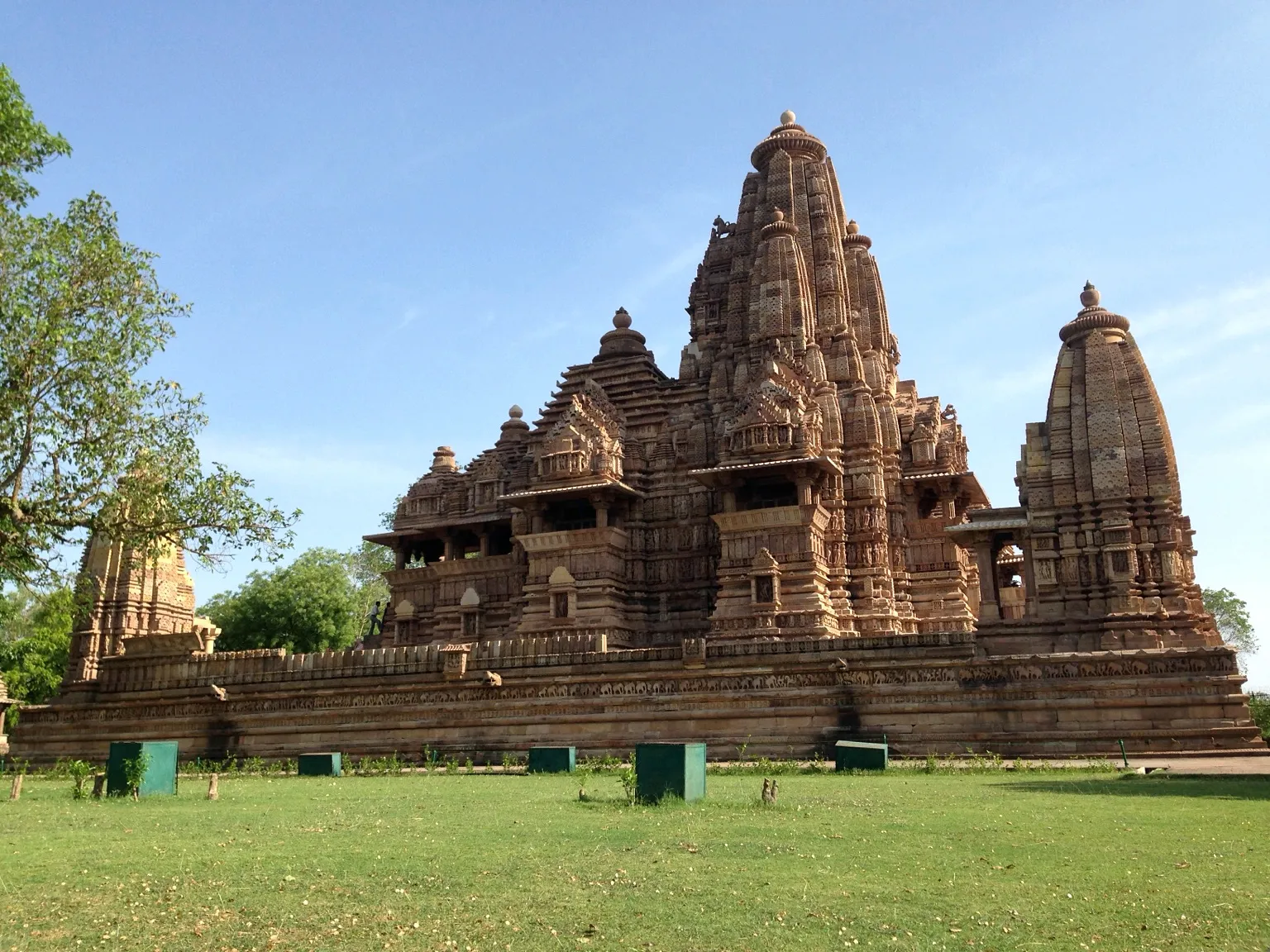
I was travelling aboard the Oceania Nautica, on a voyage from Beijing to Rome, when I met Allan Langdale, a Canadian-born art historian serving as a guest lecturer on the ship.
When Allan learned that I intended to leave the ship for a visit to Varanasi, he urged me to see Khajuraho as well. He spoke enthusiastically about its extraordinary temples and their carvings. I took his advice.
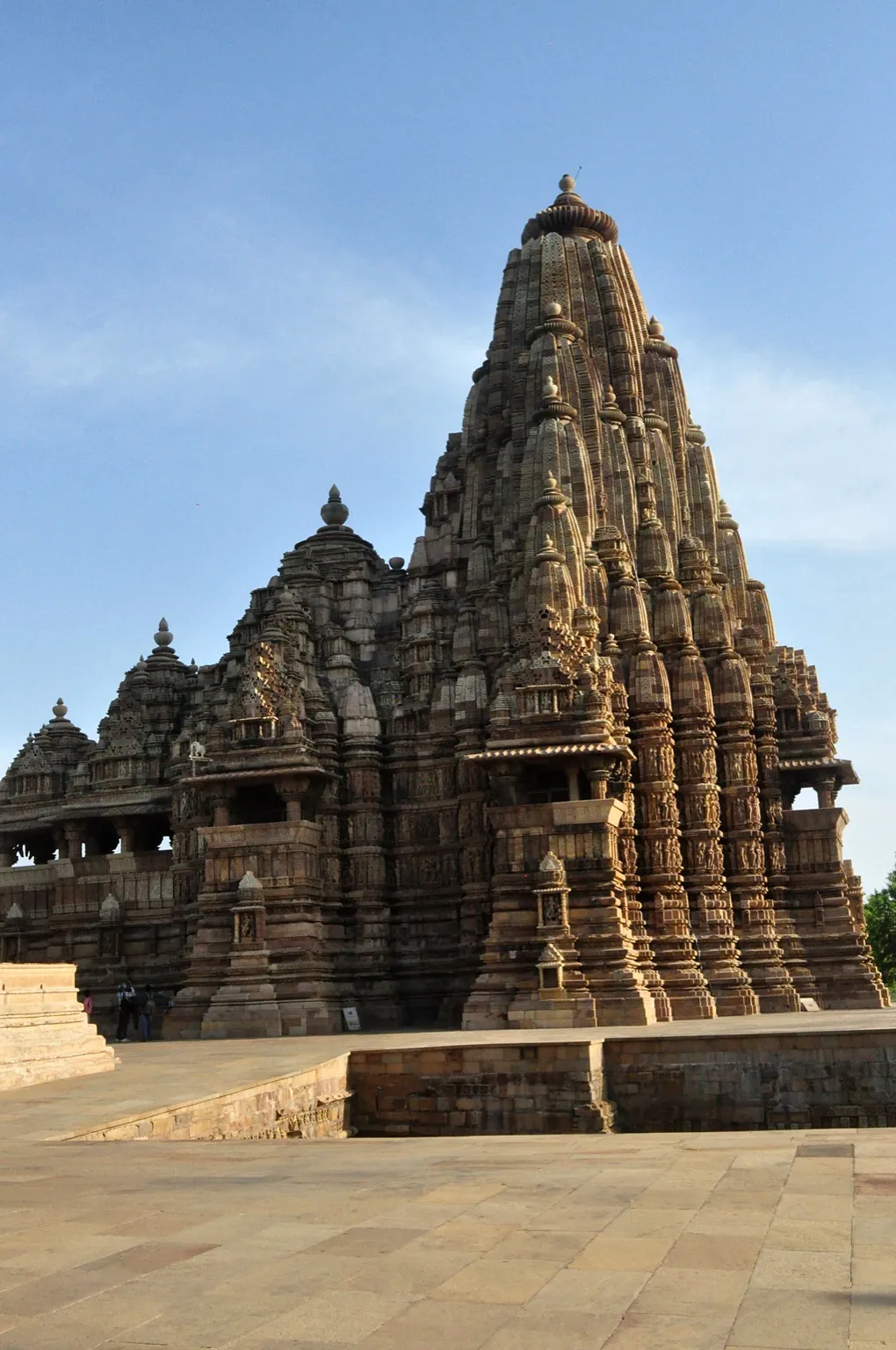
The temples were magnificent. Their sandstone walls, covered with intricate figures and scenes from life, were everything he had promised. But the encounter I remember most vividly had nothing to do with the temples.
It began with a tuk-tuk driver named Tulsi and his friend Ritesh.
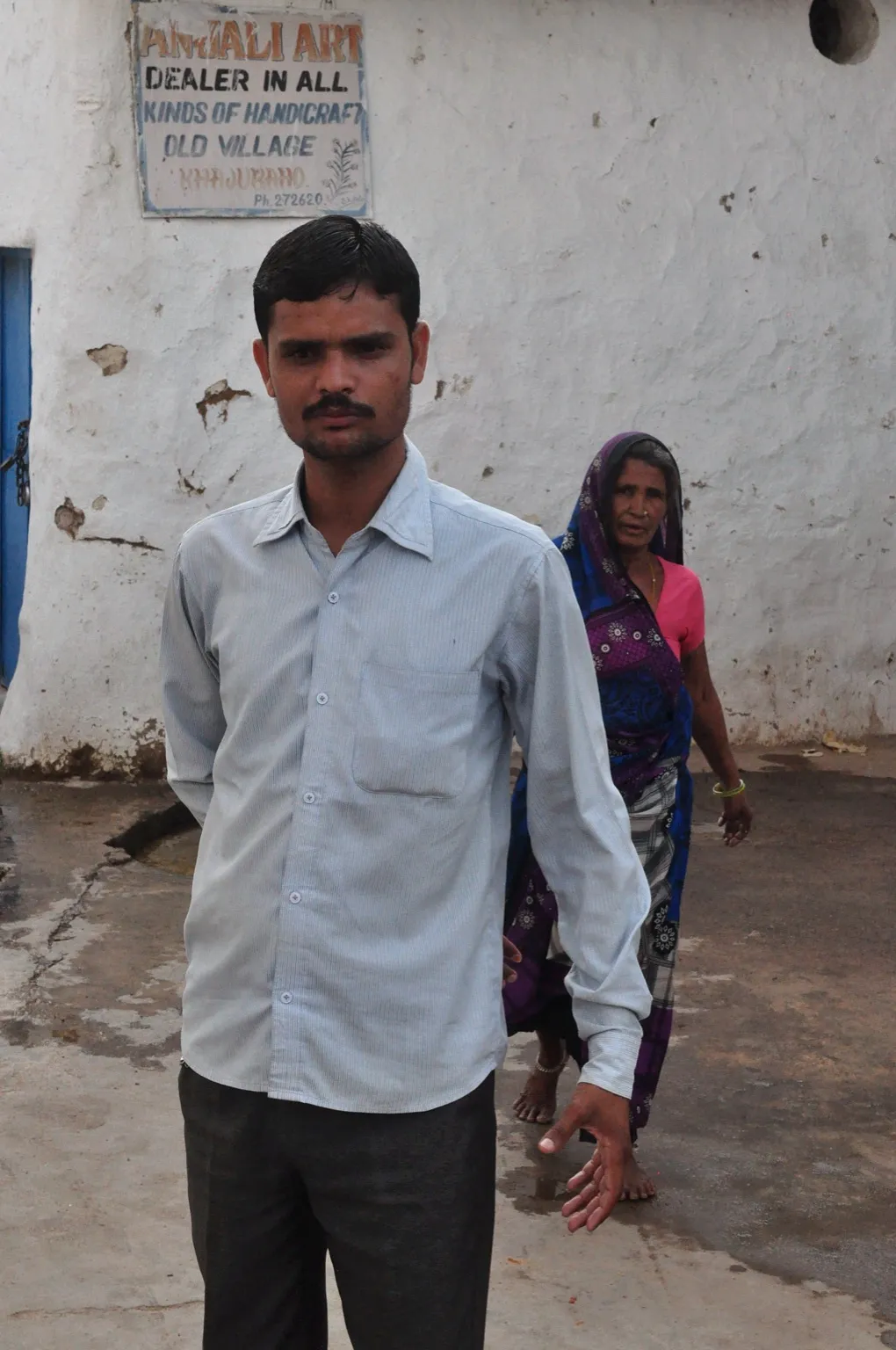
During my stay, the two young men offered to show me a nearby village. There was a complication: I was leaving the following morning, and a driver was due to take me to the airport.
They proposed an early start. At seven o’clock on April 21, Tulsi and Ritesh collected me from my hotel. We had just two hours.
I had no reason to suspect that this brief detour would leave such a lasting impression.
During our visit we came upon a small school. I met a teacher there, Prabhat Mani Mishra, and photographed him and the children’s surroundings.
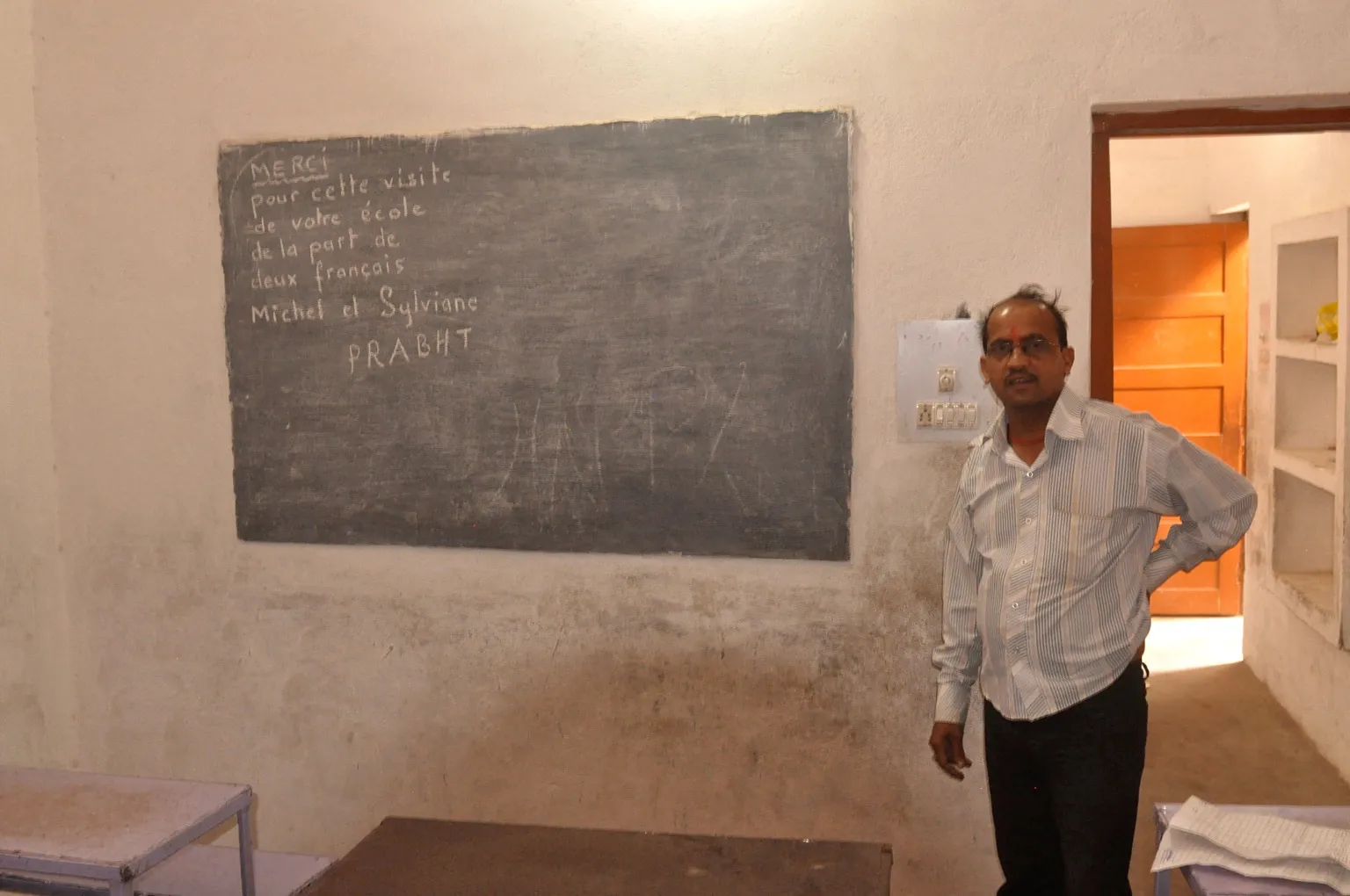
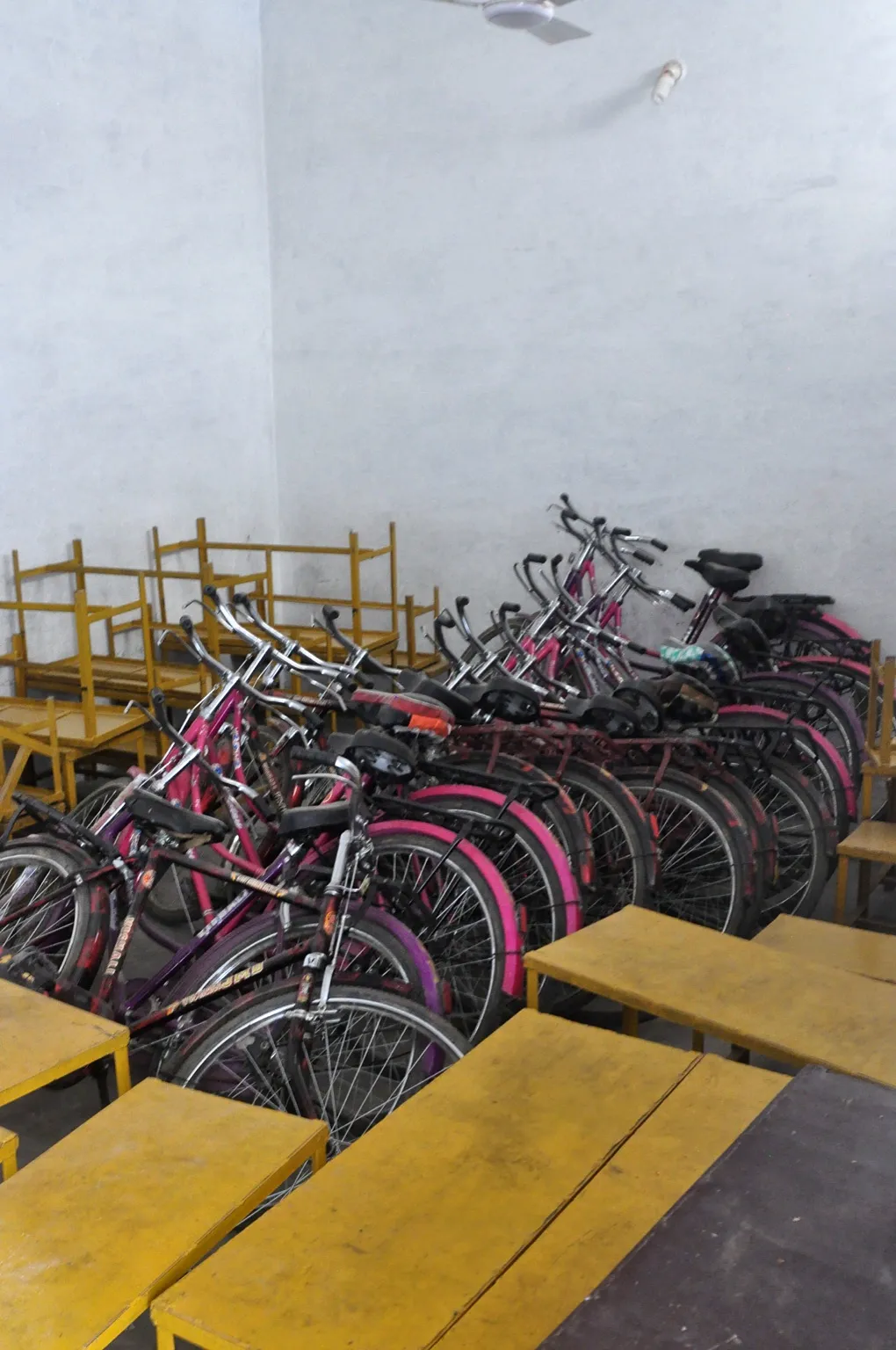
It was a primary school, operating with modest facilities. What particularly caught my attention was the sight of bicycles used by children travelling from surrounding villages to attend classes.
For a Canadian accustomed to seeing children arrive at school on foot, by car or on a school bus, those bicycles suggested another rhythm of daily life. The journey to a classroom could be part of a child’s considerable effort to obtain an education.
Prabhat spoke with me about the school, its children and the space in which he was teaching. I remember being struck by his commitment and by the practical challenges of providing classrooms for the community.
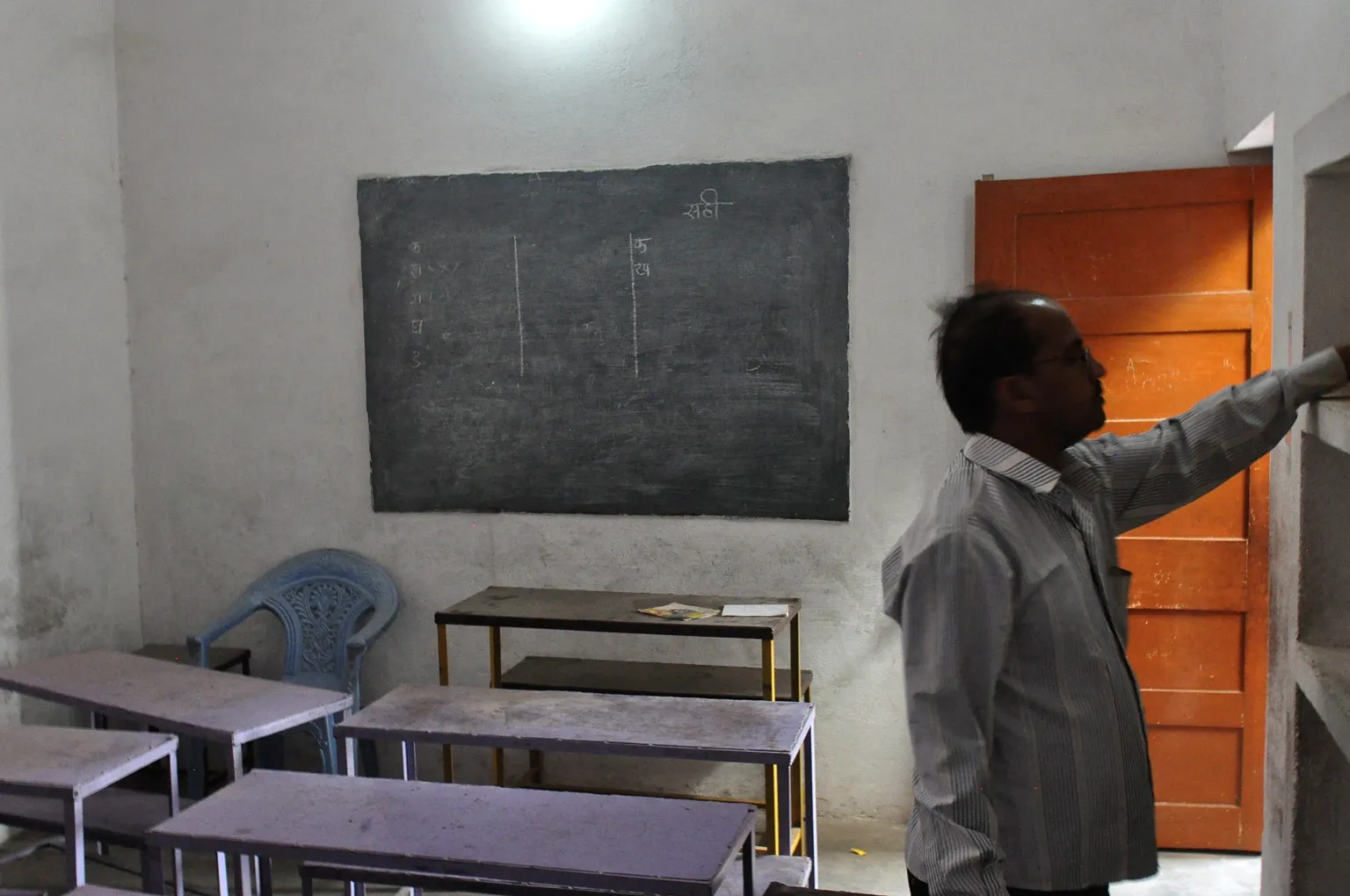
There was no grand occasion, no prepared presentation. I had simply been welcomed into a place I would never have found on my own.
By nine o’clock Tulsi and Ritesh had returned me to my hotel. My driver was waiting to take me to the airport, and the short visit was over.
I carried the photographs home.
One week later, on April 28, Prabhat wrote to me. He told me that the school was on its summer holiday and described plans to demolish an old room and replace it with two classrooms in anticipation of more students.
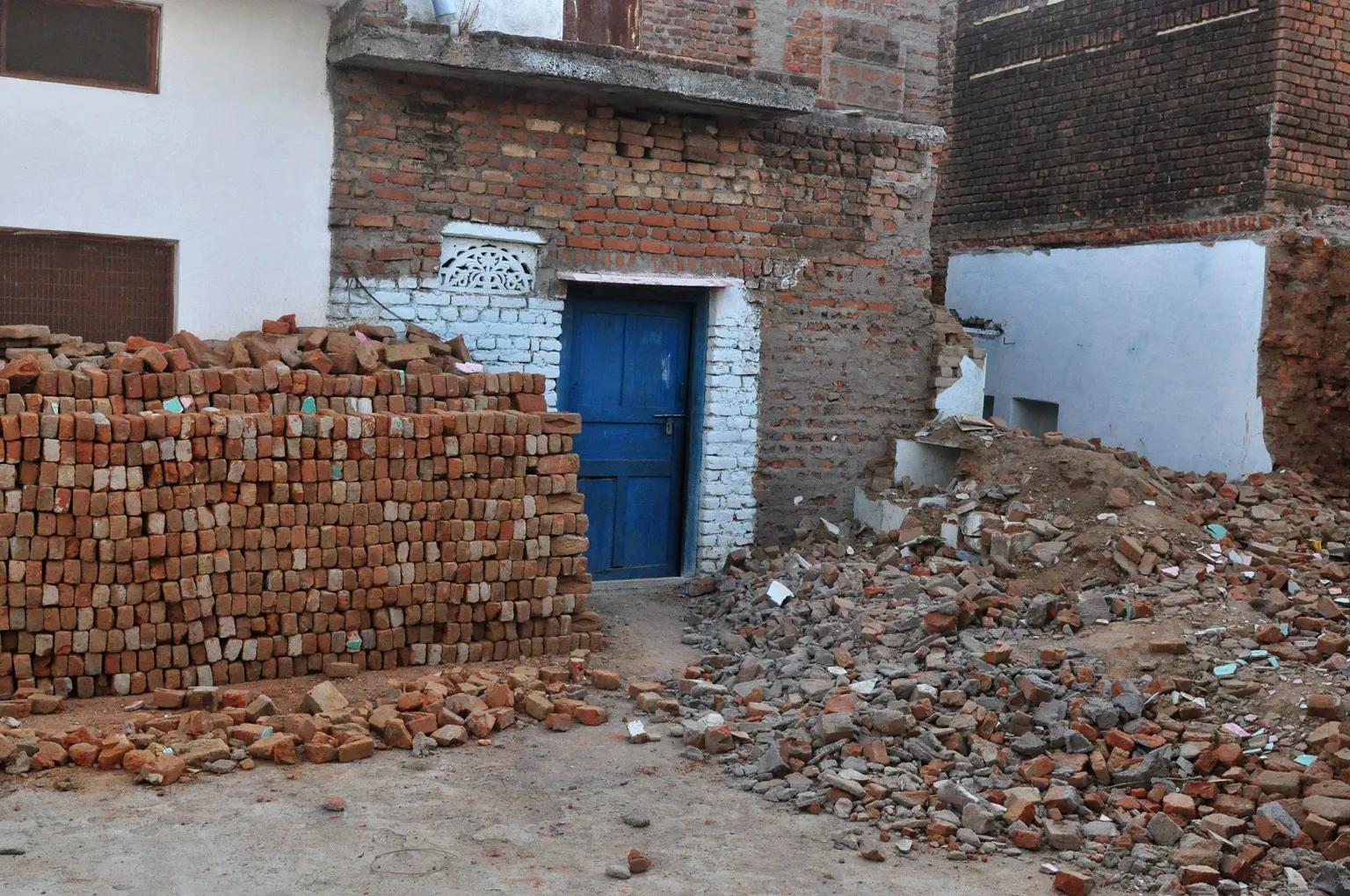
That email gave the morning an unexpected afterlife. What I had seen as a brief encounter was, for Prabhat and the children, an ongoing undertaking. The school would continue its work long after the visitor with the camera had departed.
More than twelve years later, as I began returning to my India photographs for the Everyday Lives archive, I found myself thinking about Prabhat and those bicycles again.
I wondered what had become of the school. A fundraising account published by visitors from the Netherlands in 2024 provided a glimpse. They described meeting Prabhat in March of that year and identified him as the head of Kashi Mandir School.
According to their account and a statement attributed to Prabhat, the school was then providing free primary education to about 200 children in ten classrooms. A Dutch foundation had helped support the school for years, but that support had ended, leaving the staff concerned about how to maintain its work.
And there, in Prabhat's own account, were the bicycles. He explained that the school had previously provided them to children who came from farther away.
I remembered the rows of handlebars and wheels in my 2014 photograph. I could not know exactly which children had used those bicycles, but I now understood that they were more than a curious detail in a classroom.
My visit had lasted two hours. The work of educating children had gone on for years.
The question of how bicycles help children reach school deserves a story of its own. The companion essay, “Two Wheels, a Longer Road to School,” explores that question beyond Khajuraho.
I had gone to Khajuraho because a professor on a ship had recommended its famous temples. I had met Tulsi and Ritesh because I needed a way to explore the town. And I had reached the school only because I accepted an invitation for a hurried outing before a flight.
Each small decision led to the next.
The temples were the reason I went to Khajuraho. The school was the reason the visit stayed with me.