India / Varanasi /
Varanasi:
A Day Among Friends
The Ganges, a family invitation and an afternoon with the Ramayana.
My introduction to Baba began with a taxi ride. He collected me from the airport in Varanasi, and on the way to my hotel we agreed that he would drive me during my stay. Later that day he returned with his friend Jitendra Pandi, whom I came to know as Pandu. Baba would be my driver; Pandu would be my guide.
It was a practical beginning to a relationship that would come to shape my experience of the city. Over the following days, we spent much of our time together. They accompanied me through Varanasi as I explored and photographed it, bringing the familiarity of people who knew the place to the curiosity of someone encountering it as a visitor.
On April 19, those relationships brought three experiences together: a morning with Pandu on the Ganges, a welcome into Baba’s family home, and a gathering at the home of a friend. Each encounter grew out of the one before it. By the end of the day, the arrangement made on the road from the airport had become a much more personal introduction to Varanasi.
Chapter I / The river
Pandu on the Ganges
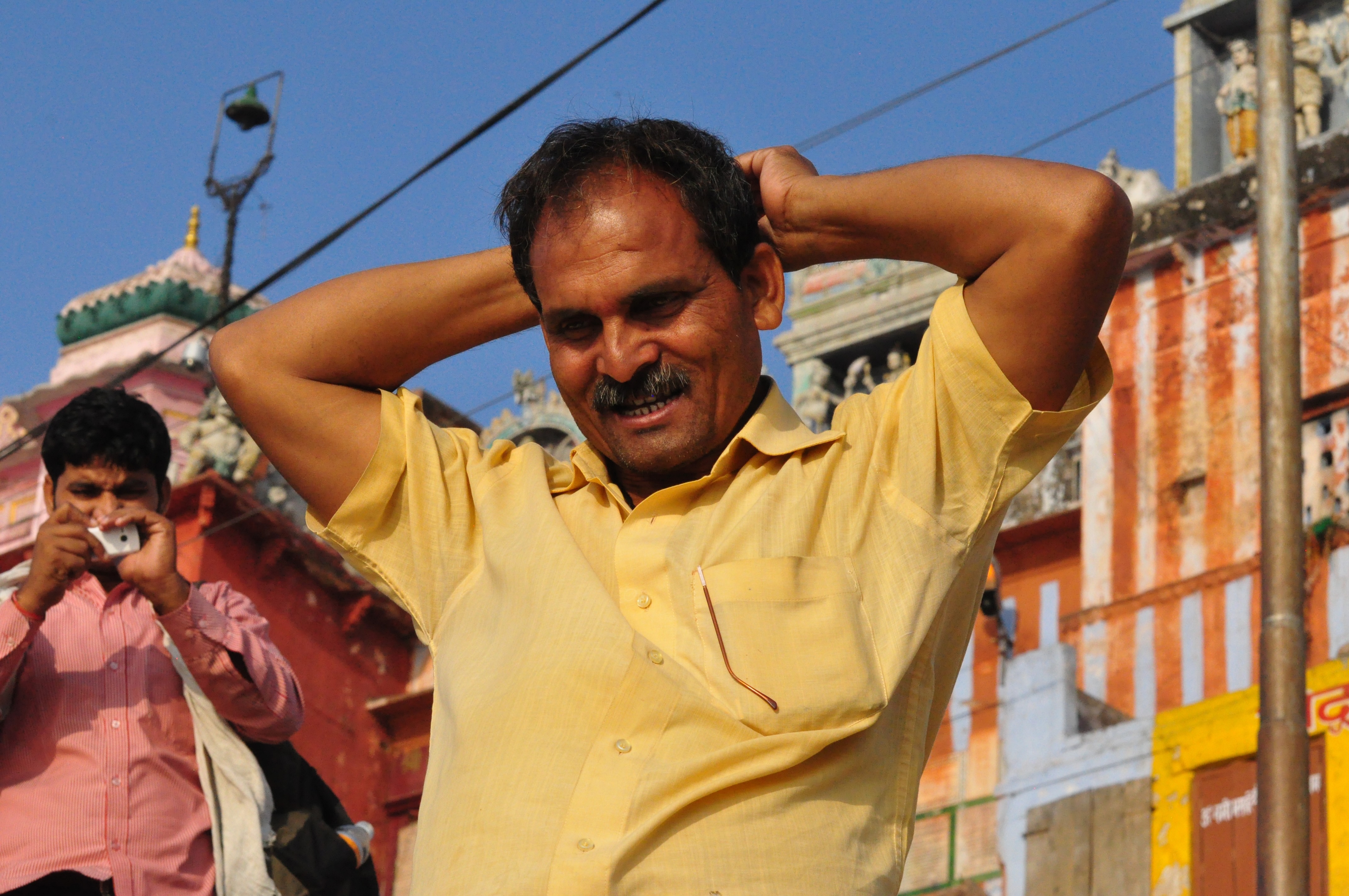
Our day began before sunrise. With Baba and Pandu, I went to the ghats and travelled on the Ganges. The river offered a different way of entering the city: along the water, looking back towards the steps and buildings, with the people beside me already familiar companions.
The ghats are the flights of steps connecting Varanasi to the river. Many are places for bathing and worship; they also give the riverfront its physical shape. Their apparent permanence can obscure a history of rebuilding. Much of the present riverfront took shape after 1700, under patrons including Maratha ruling families. The stone setting of a morning encounter belongs to the city’s changing history as well as its religious life.1
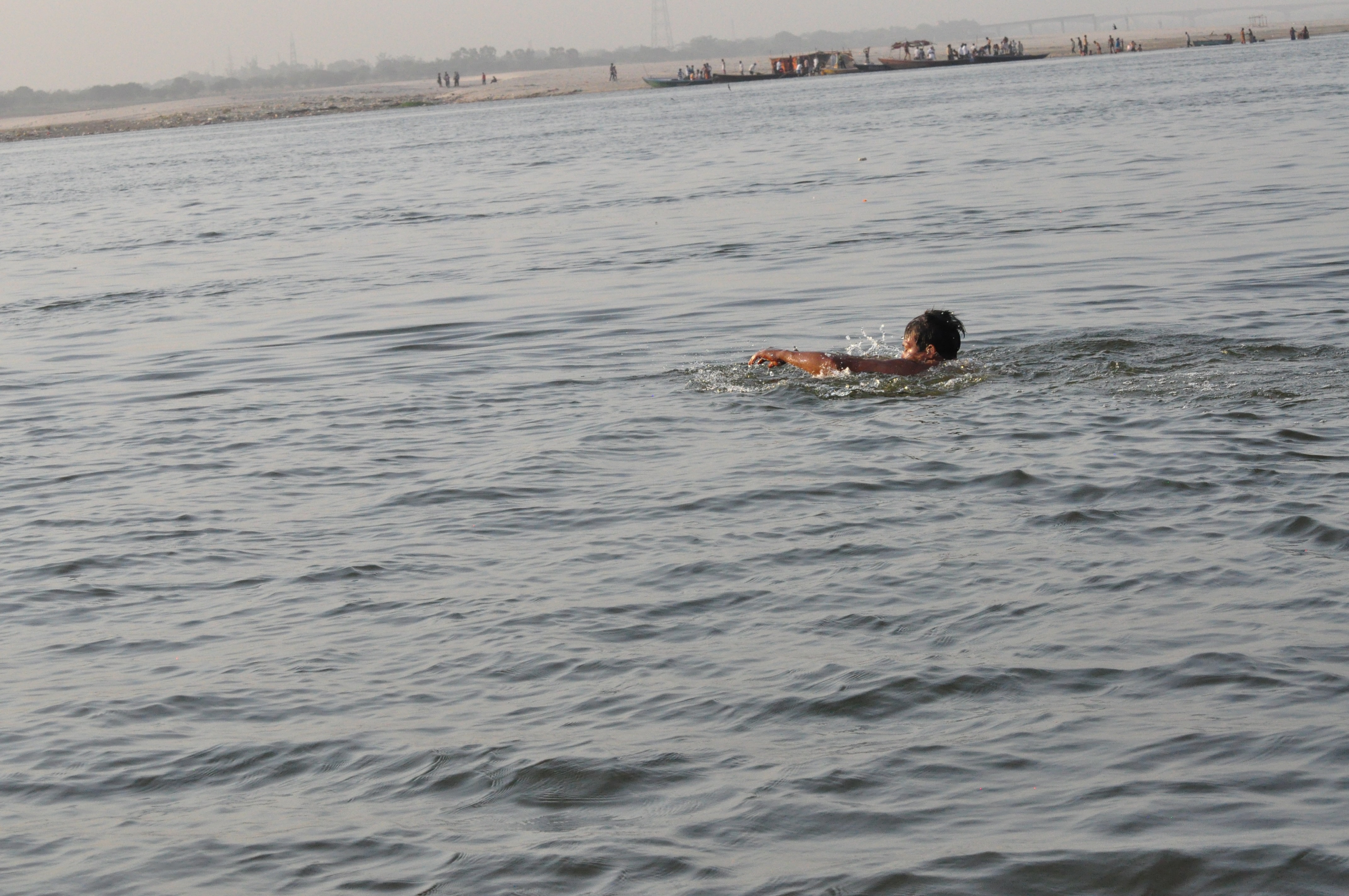
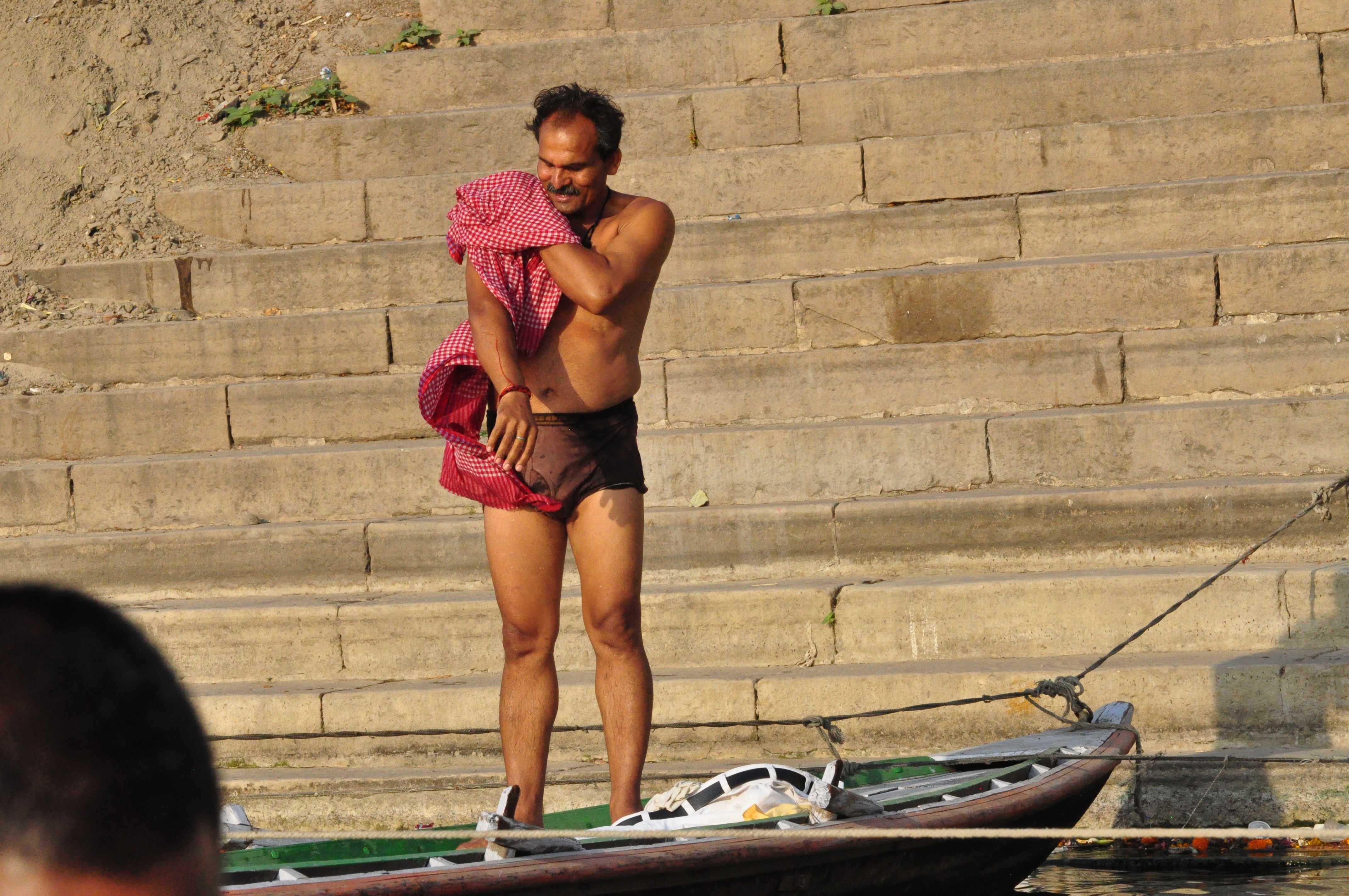
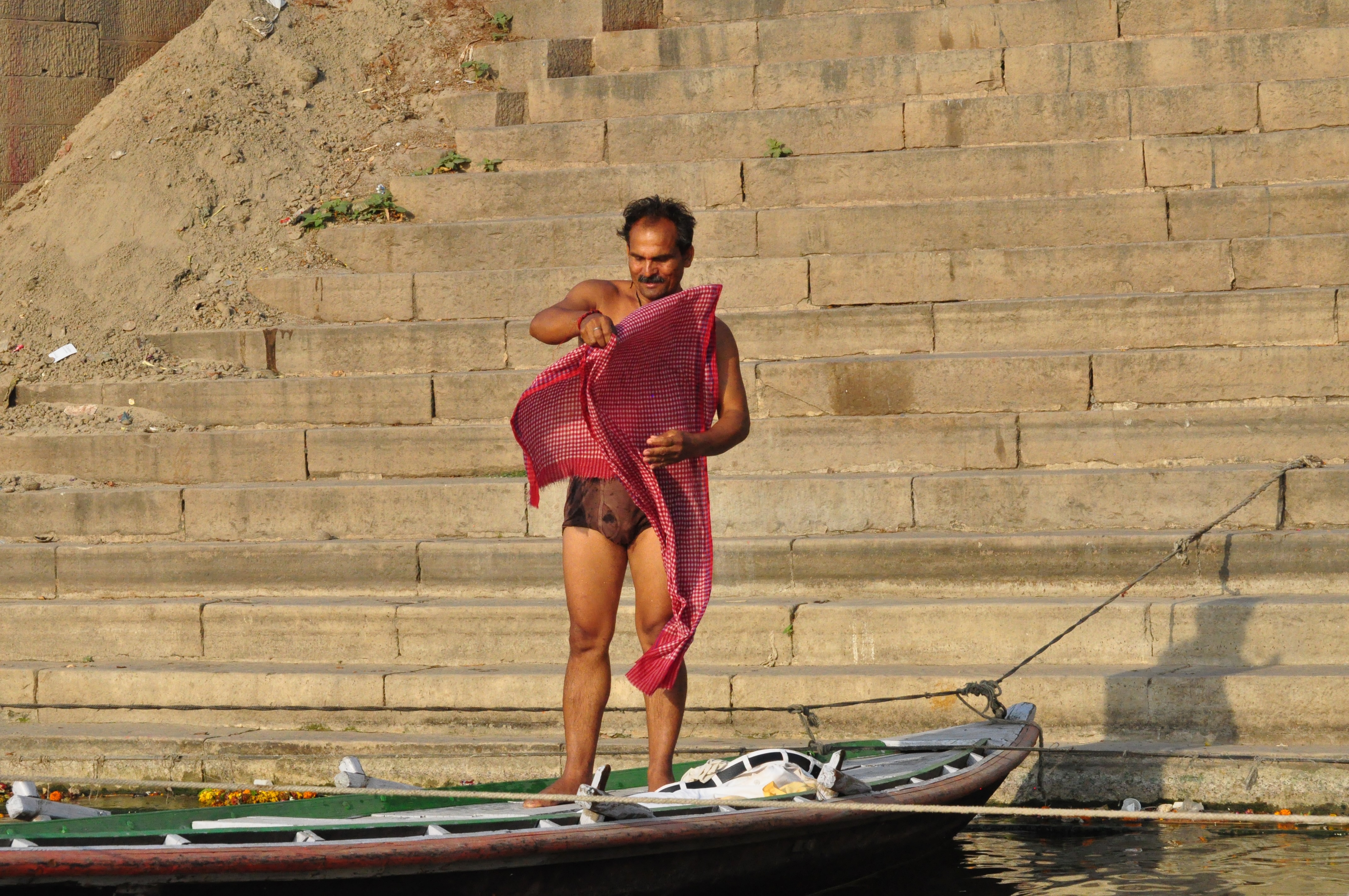
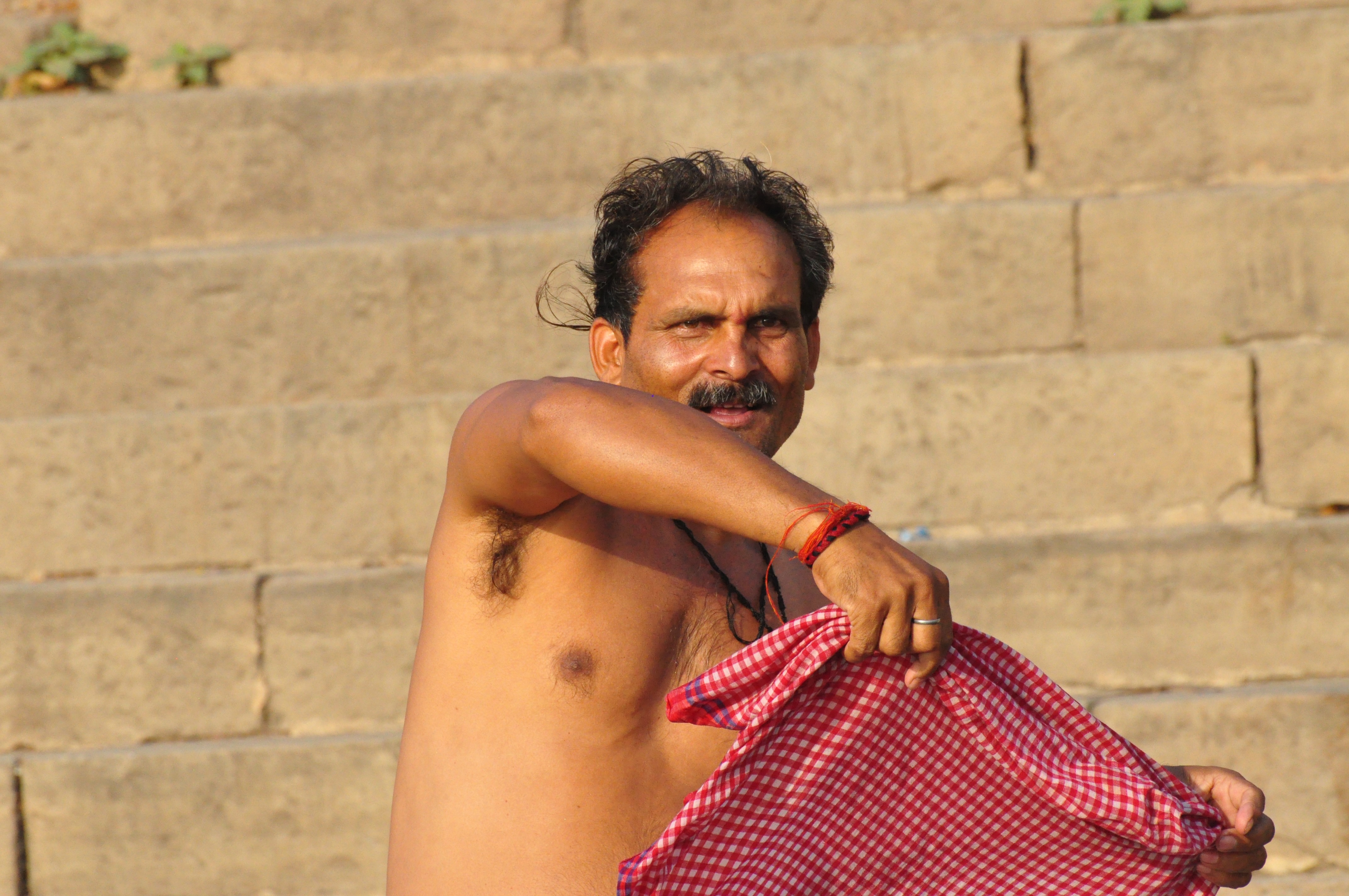
Pandu went into the river. For a time, my guide became the subject of the photographs: swimming, returning to the steps, drying himself and getting dressed. These were ordinary activities within an extraordinary setting, and they gave the morning its human scale.
I had come to Varanasi with an interest in the city. Spending time with Pandu gave that interest a particular face. The photographs belong to the experience of being together, with enough familiarity for the camera to remain present as the morning continued.
Later that day, Baba invited me to meet his family. The invitation carried our companionship from the places we had been visiting into the life of a household.
Chapter II / The home
Baba opens his home


Until then, I had known Baba principally through our journeys together. At his home I met him in another part of his life, holding his child and surrounded by members of his household. The man who had met me at the airport was welcoming me as a guest.
A family visit changes the scale of travel. The city is still outside, but attention turns towards the people in the room and the time they are sharing with you. There is no monument to account for the significance of the occasion. Its importance lies in the invitation itself, and in the relationship that made it possible.

Food was being prepared, children were present, and I made photographs as the visit unfolded. The camera moved between an individual encounter and people together. A child photographed alone reappears beside another child; Baba, already familiar to me, is seen within a relationship I had only now been invited to witness.
Those connections give the pictures their place in the larger story. The household was part of Baba’s life before I arrived, and would remain so after I left. For a short time, he had opened that world to me. The warmth of the welcome became one of the strongest memories of my visit to Varanasi.


The family visit forms the centre of this day: an invitation made possible by the time we had already spent together, followed by another introduction through the same circle of friends.
Baba and Pandu were taking me to the home of a mutual friend. A reading of the Ramayana was underway.
Chapter III / The gathering
An invitation into the Ramayana
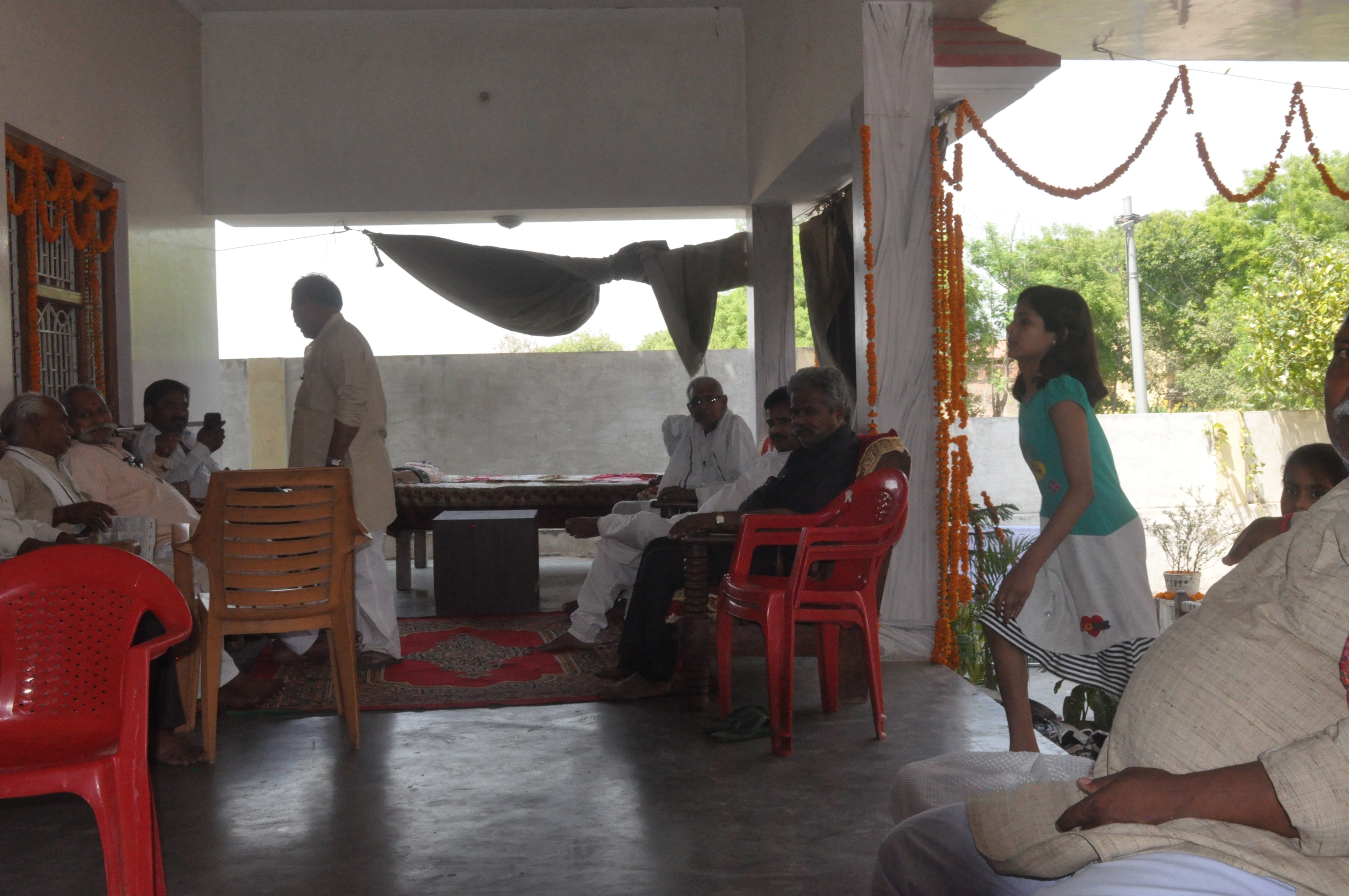
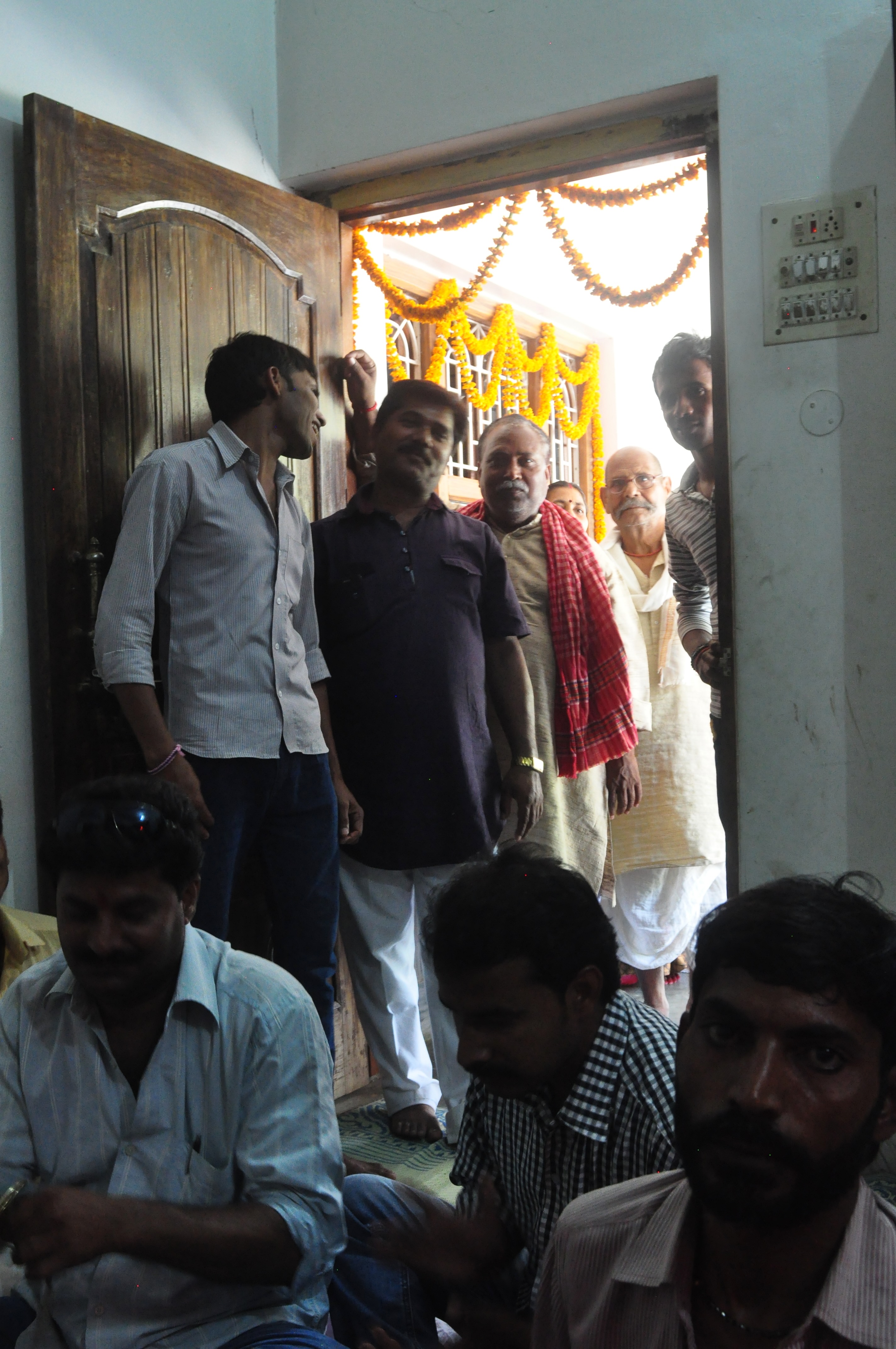
I remember the loud, amplified devotional music as we approached. After the river and Baba’s home, we were entering another household, already occupied with an occasion of its own. I arrived through the friendship of the two men beside me and was welcomed as a special guest.
The reading and its musical accompaniment brought people together around a story with a long life beyond this room. Within the house, that tradition depended on particular people: someone to recite, others to listen, people to prepare food and a household willing to receive them.
The Ramayana has been carried through many tellings. One of the most influential in northern India is the Ramcharitmanas, composed in Awadhi by Tulsidas in the sixteenth century. A regional language gave Rama’s story a life beyond its Sanskrit telling, and the work became a lasting source for devotion and performance.2
Its reach can also be seen in Ramlila, the dramatic performance tradition that combines song, narration, recitation and dialogue. UNESCO identifies Ramnagar, across the Ganges from Varanasi, among its prominent centres. That public theatrical tradition provides a wider context for the place of Rama’s story in this region; the occasion I attended was a household reading, with its own intimacy and rhythm.3
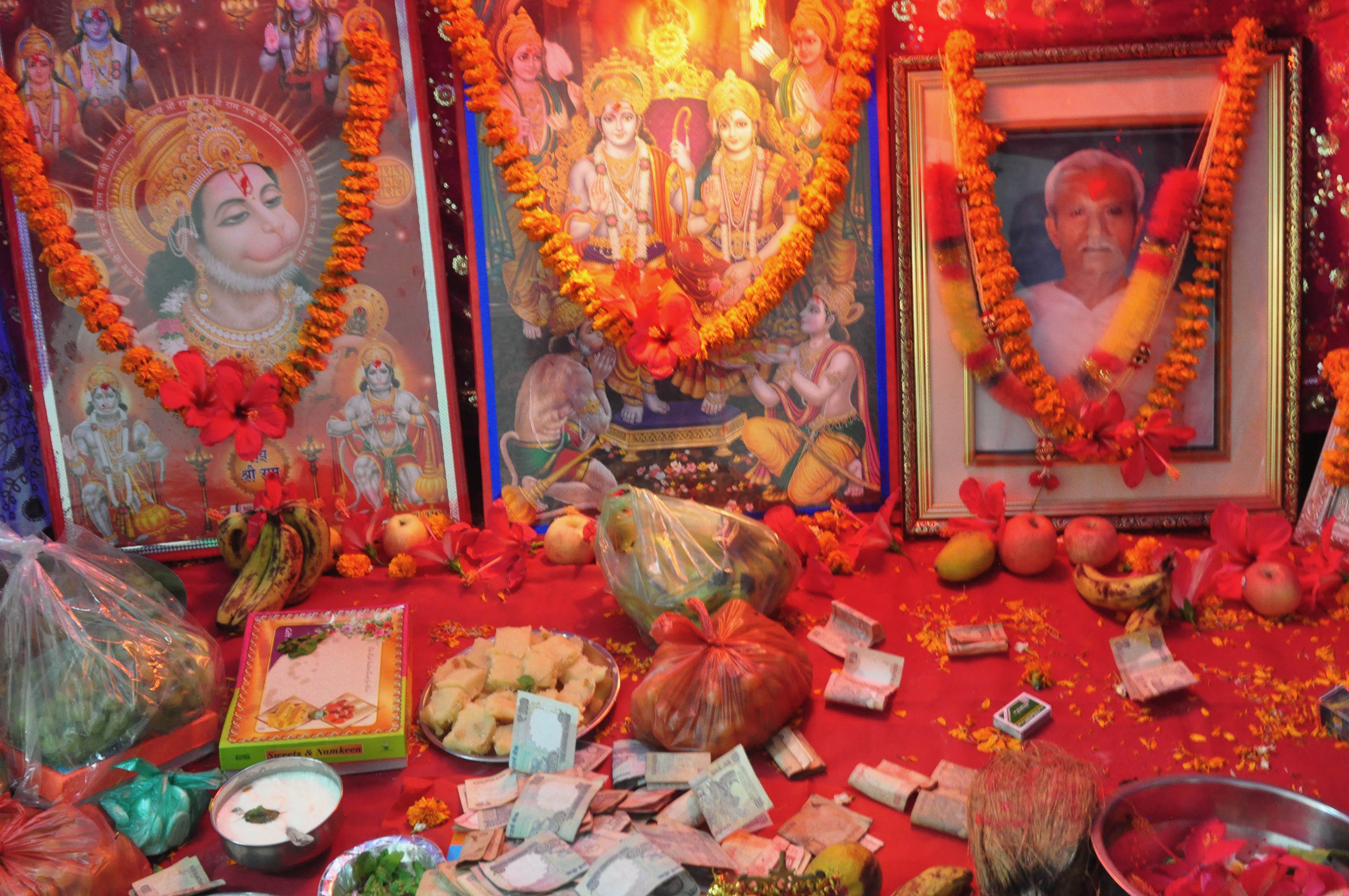
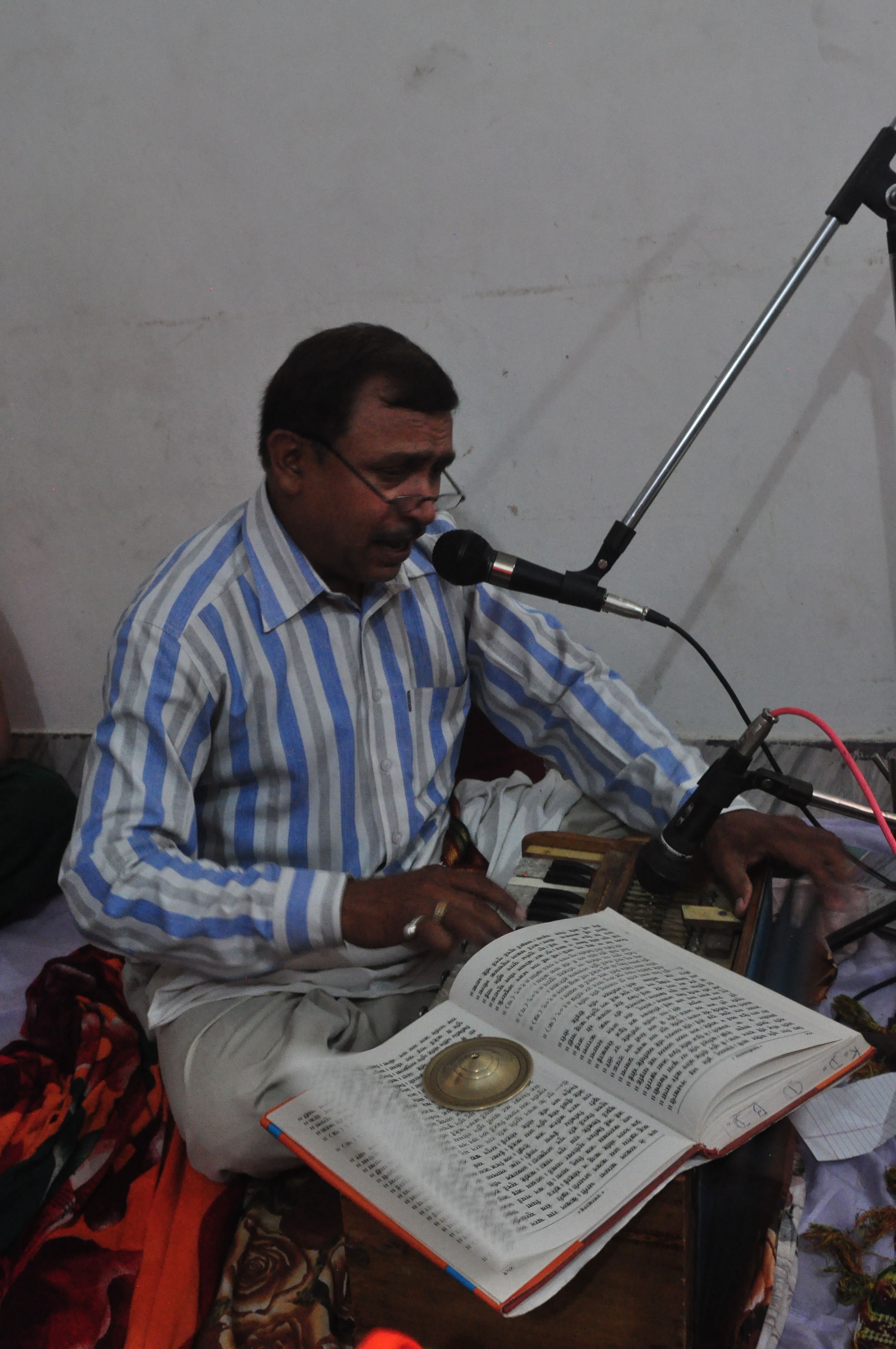
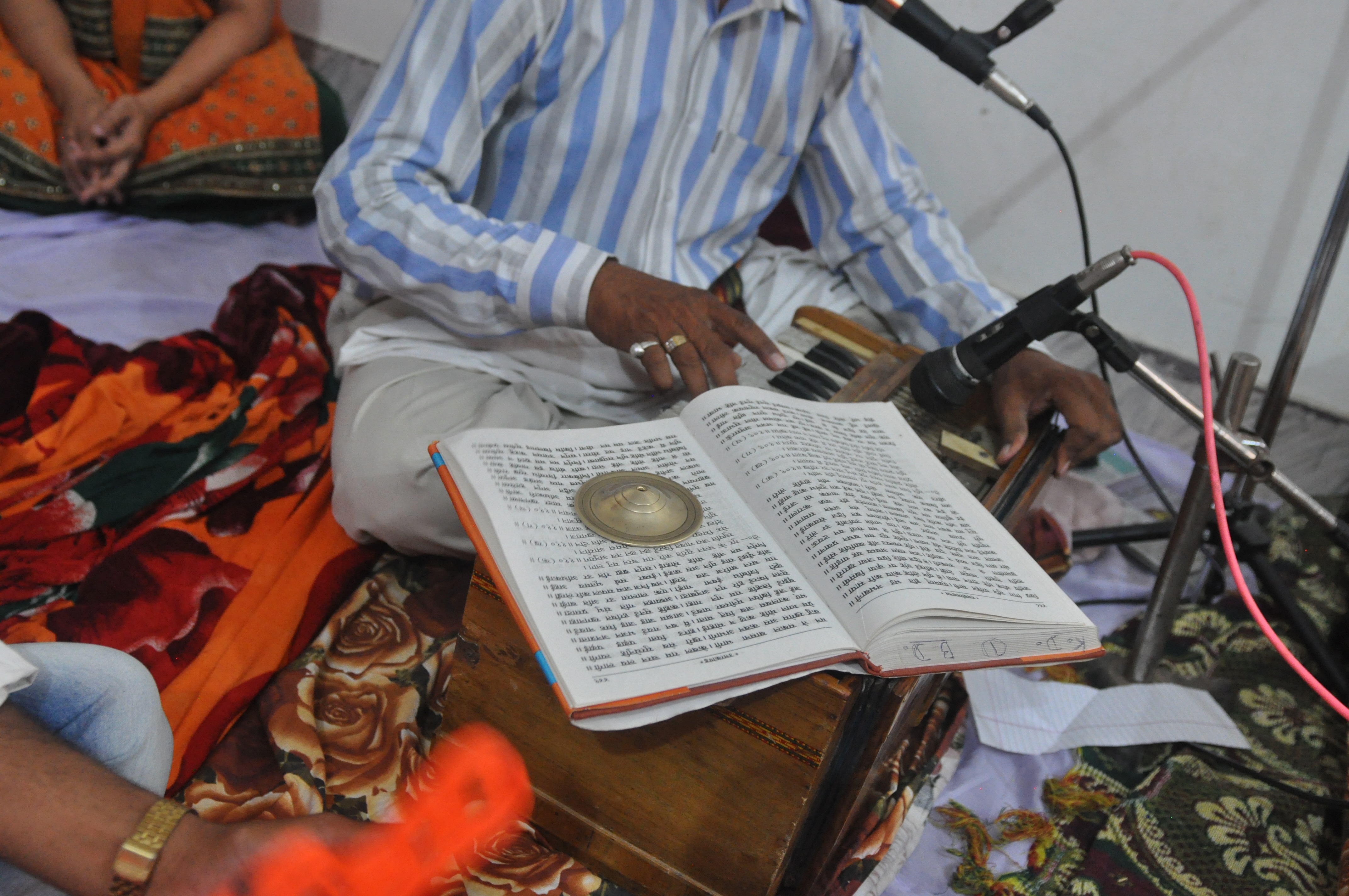
In the photographs, the printed page sits close to the instrument and microphone. Reading becomes something shared through a voice. The book is part of an encounter among people, supported by music and by the presence of those who have gathered to hear it.
I cannot identify the exact edition or passage being recited from these photographs. The historical connection with Tulsidas helps explain the broader tradition; it does not establish which text lay open in this particular room. What I can return to is the experience of being there, and the people who allowed me to photograph the occasion.
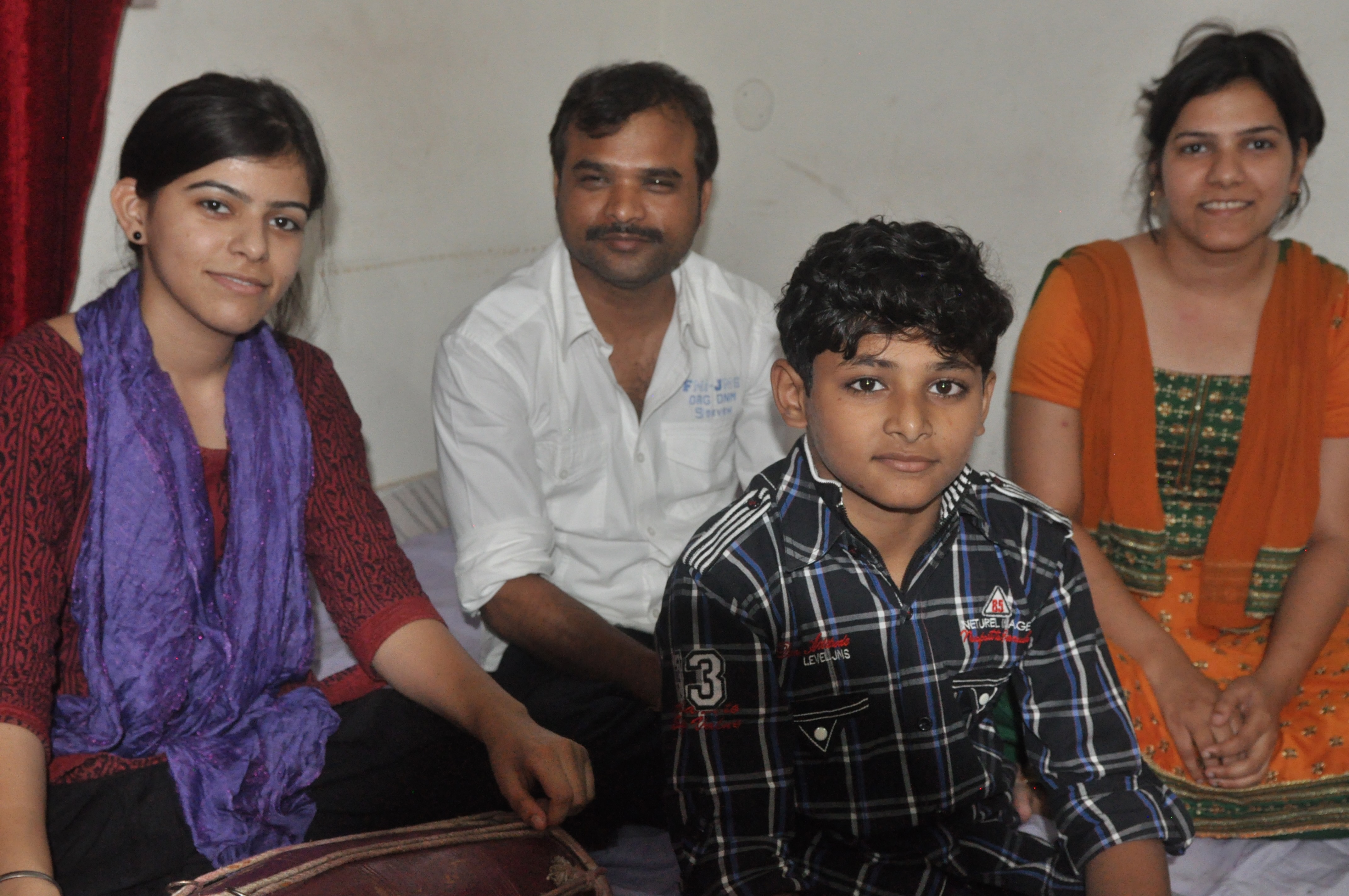
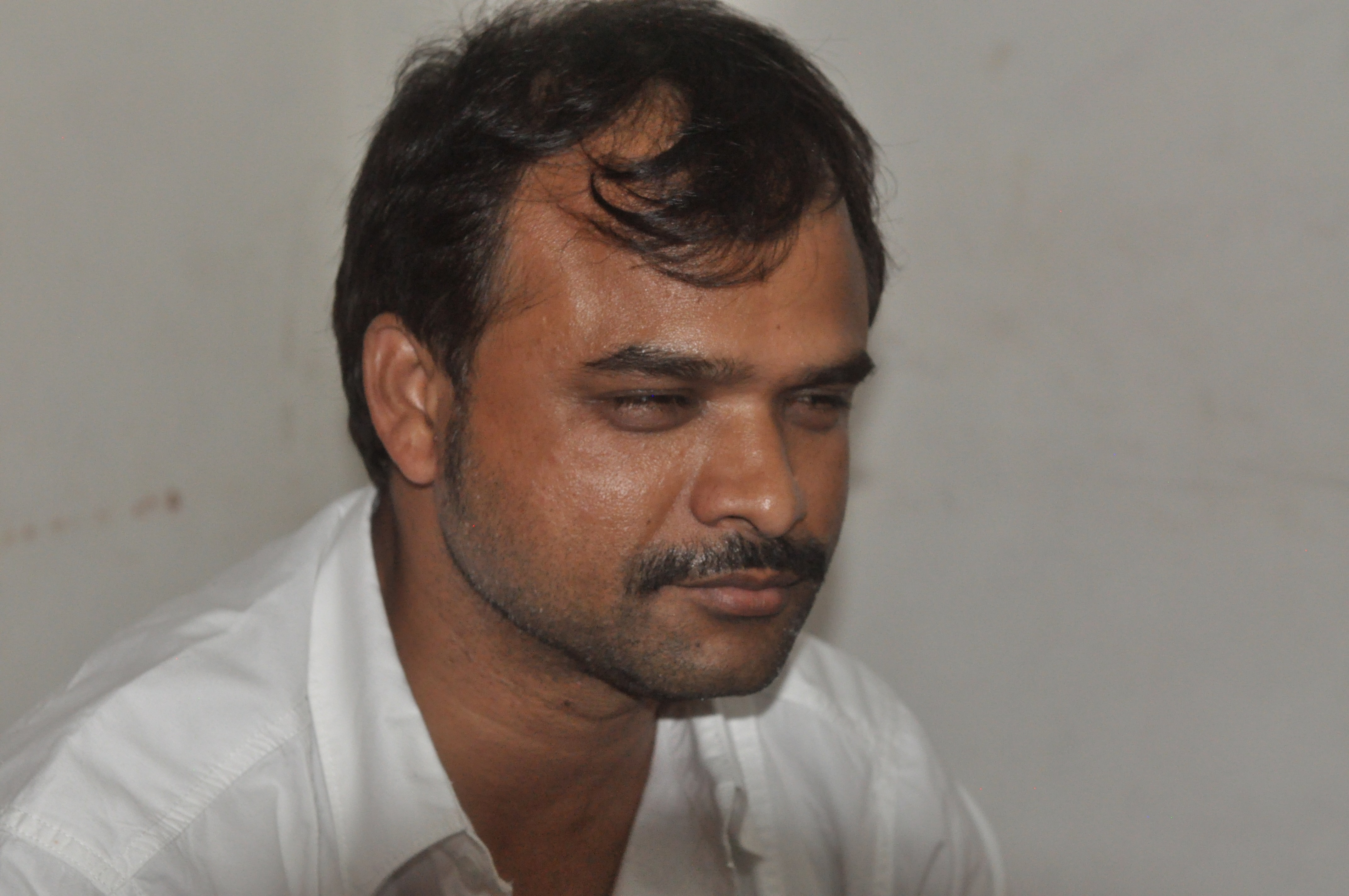
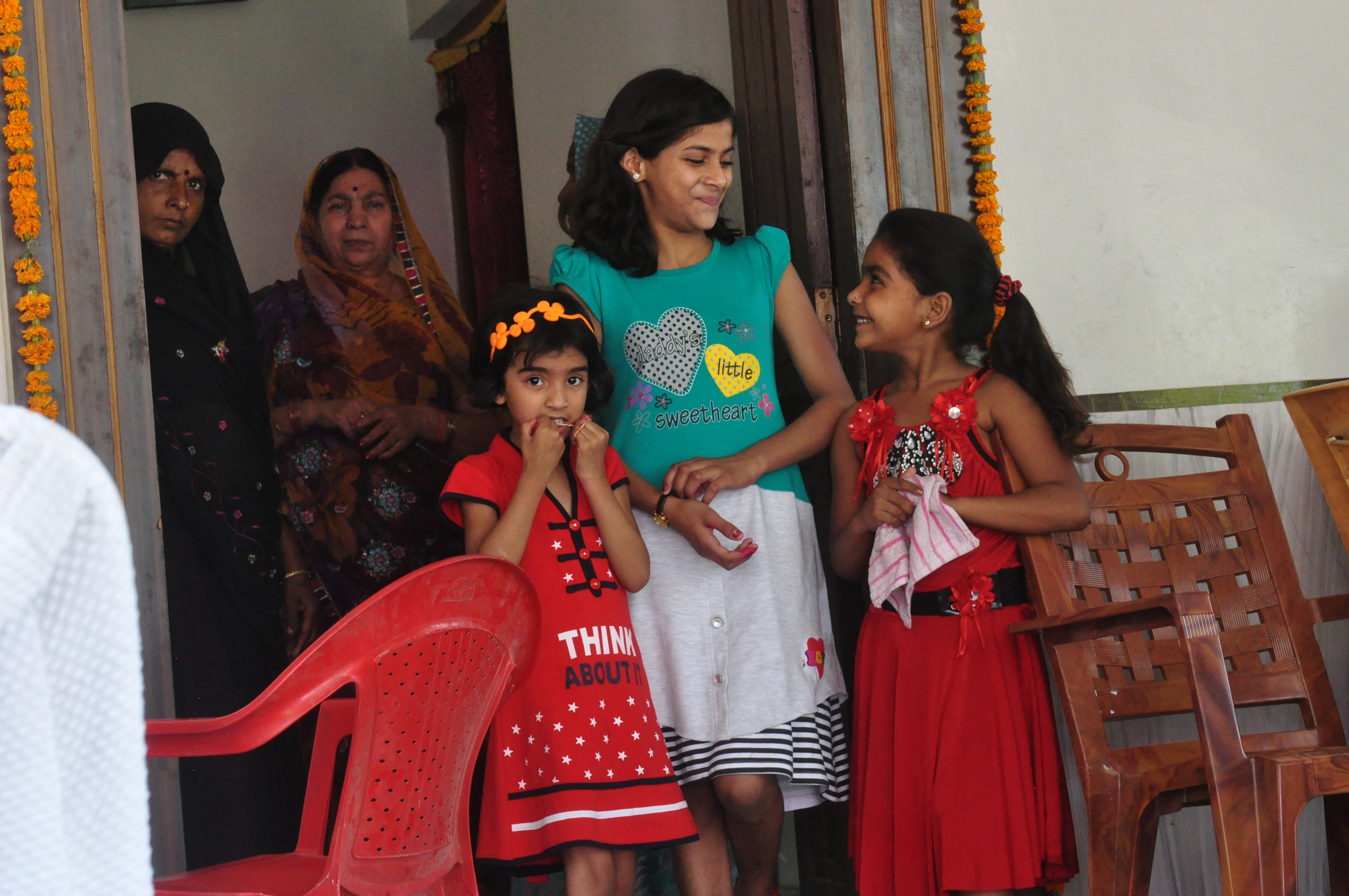
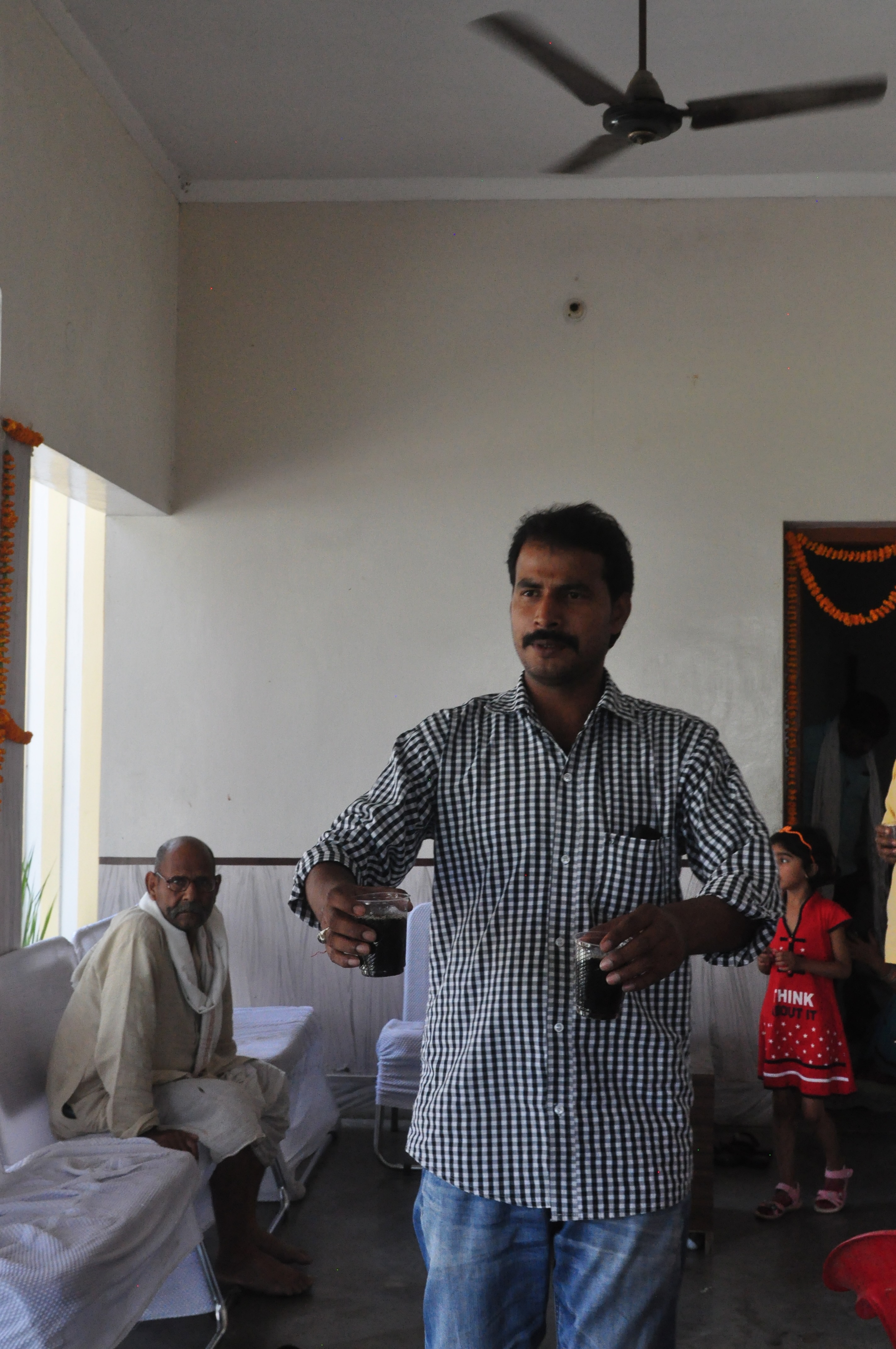
As at Baba’s home, the gathering offered opportunities to meet people individually and together. Adults and children shared the space. Some photographs belong to the recitation, others to the encounters around it. Together they give the afternoon a social presence that an account of the religious tradition alone could not convey.
The work of hospitality continued elsewhere in the household. Vegetables were being prepared and food cooked in large vessels. These activities sustained the occasion as surely as the arrangements in the room where people listened. A gathering requires time and work from people who may remain outside its most visible centre.
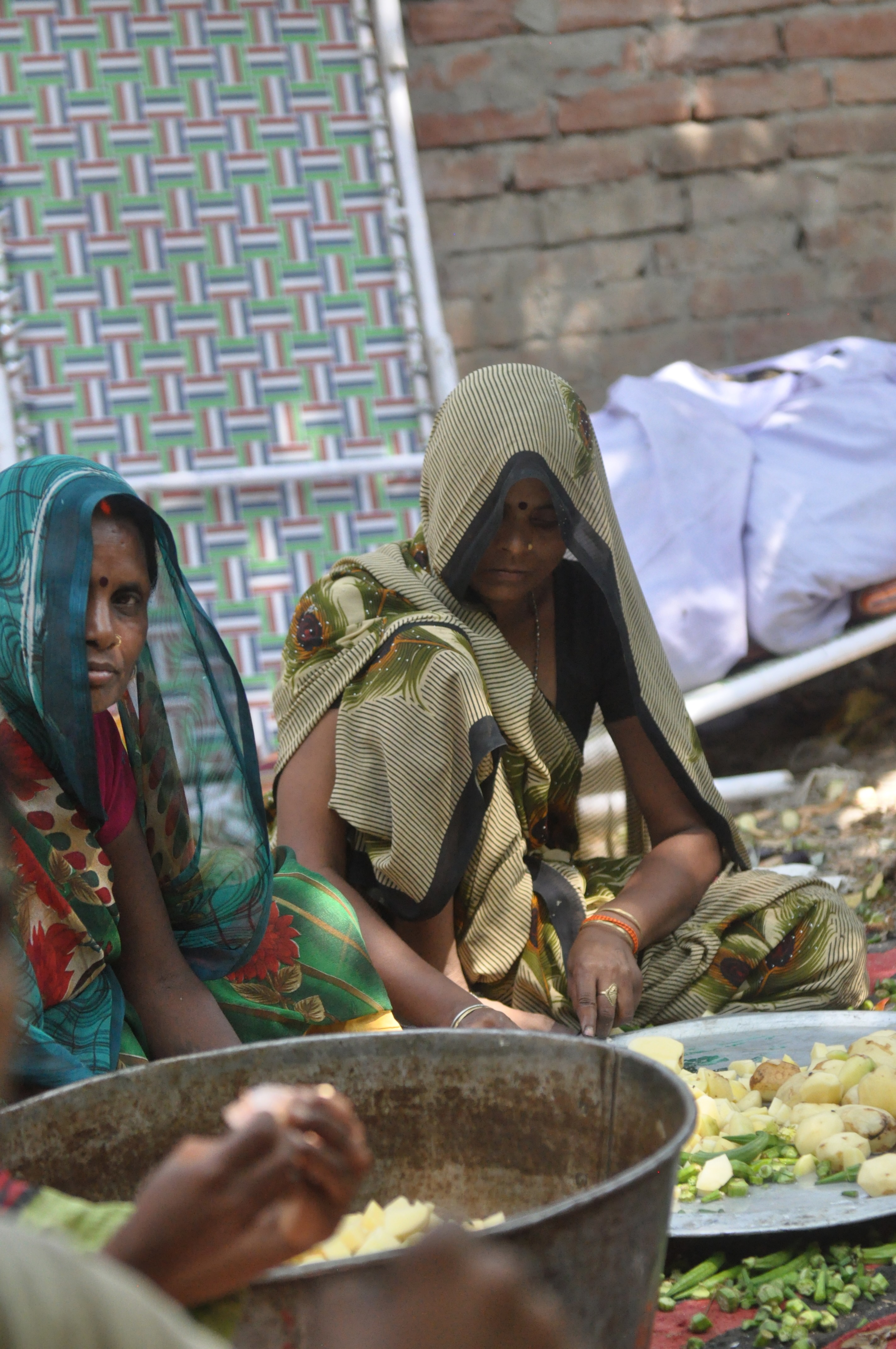
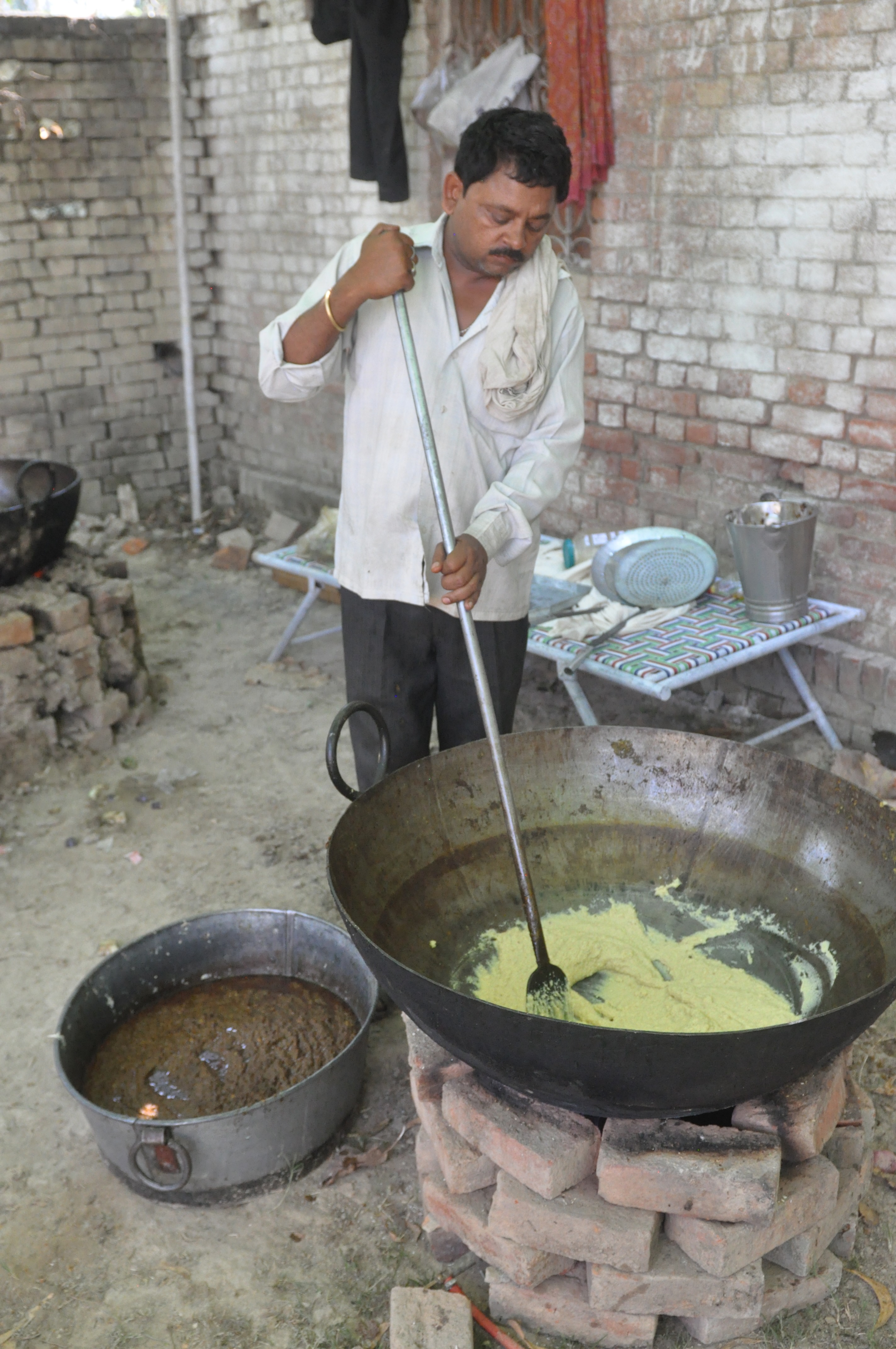
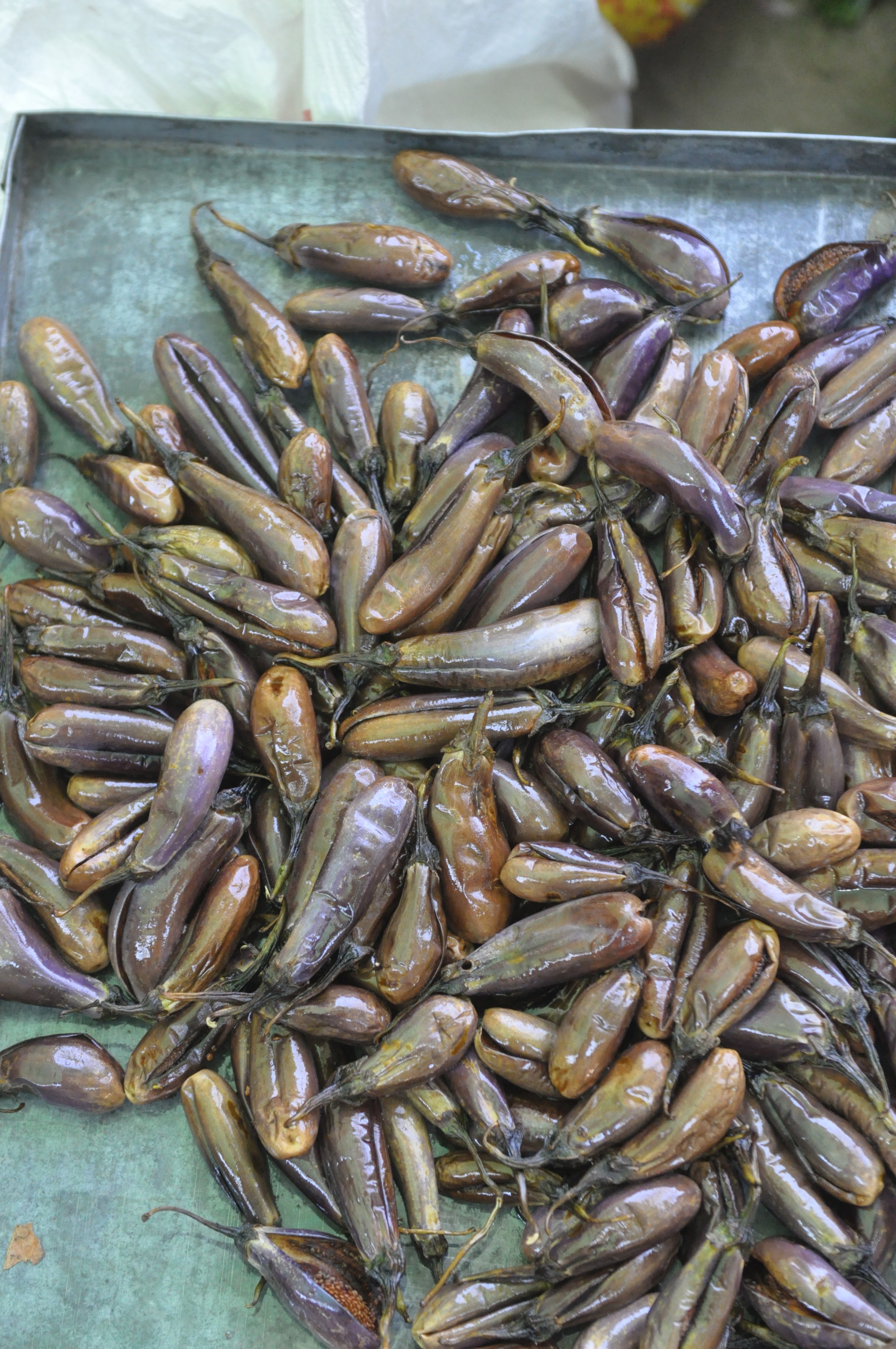
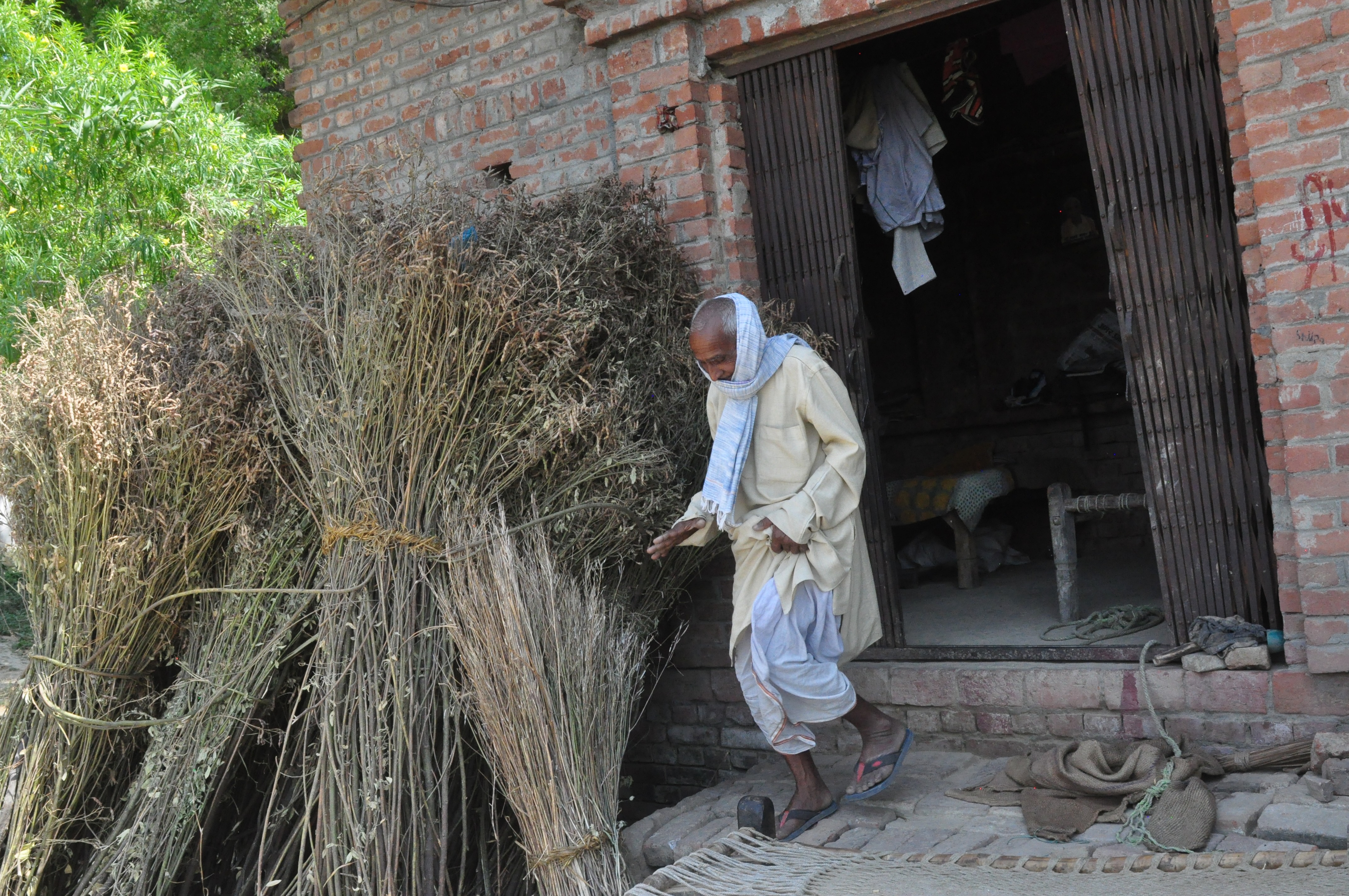
Baba and Pandu had brought me into this circle. I had begun my stay by arranging transport and a guide; now I was spending time among their family and friends. The photographs trace that change through three settings, each made accessible through the relationships that developed during my visit.
“I have never experienced such a warm welcome.”
Brian Silver’s notebook / April 19, 2014
That sentence in my notebook remains the most direct account of how the day felt. The river, the family visit and the Ramayana gathering were different experiences, joined by the people who welcomed me into them.
Looking back, I return to Baba and Pandu. They helped me find my way through Varanasi, and then introduced me to people whose lives gave that journey a deeper meaning. The photographs preserve the encounters; the memory is of the company in which they happened.