The Beatles Left. The Art Remained.
From a Himalayan meditation retreat to an extraordinary open-air gallery · A historical and artistic companion to When I Became a Beatle
Rishikesh, India
In February 1968, four of the world's most famous musicians arrived at a secluded meditation retreat in northern India.
They were not there to perform.
They were there to meditate.
John Lennon, Paul McCartney, George Harrison and Ringo Starr had travelled to Rishikesh to study Transcendental Meditation under Maharishi Mahesh Yogi, an Indian spiritual teacher whose ideas had attracted considerable attention in the West.
What happened during the following weeks would become part of Beatles history.
But the story of the place itself would prove almost as remarkable.
Decades after the musicians departed, the buildings they occupied would fall into disrepair, the forest would begin reclaiming the grounds, and a new generation of artists would find inspiration among the ruins.
The ashram was about to enjoy an unexpected second life.
Before the Beatles
The retreat was originally known as the International Academy of Meditation, established by Maharishi Mahesh Yogi on forested land beside the Ganges.
Its popular Indian name, Chaurasi Kutia, refers to eighty-four meditation huts.
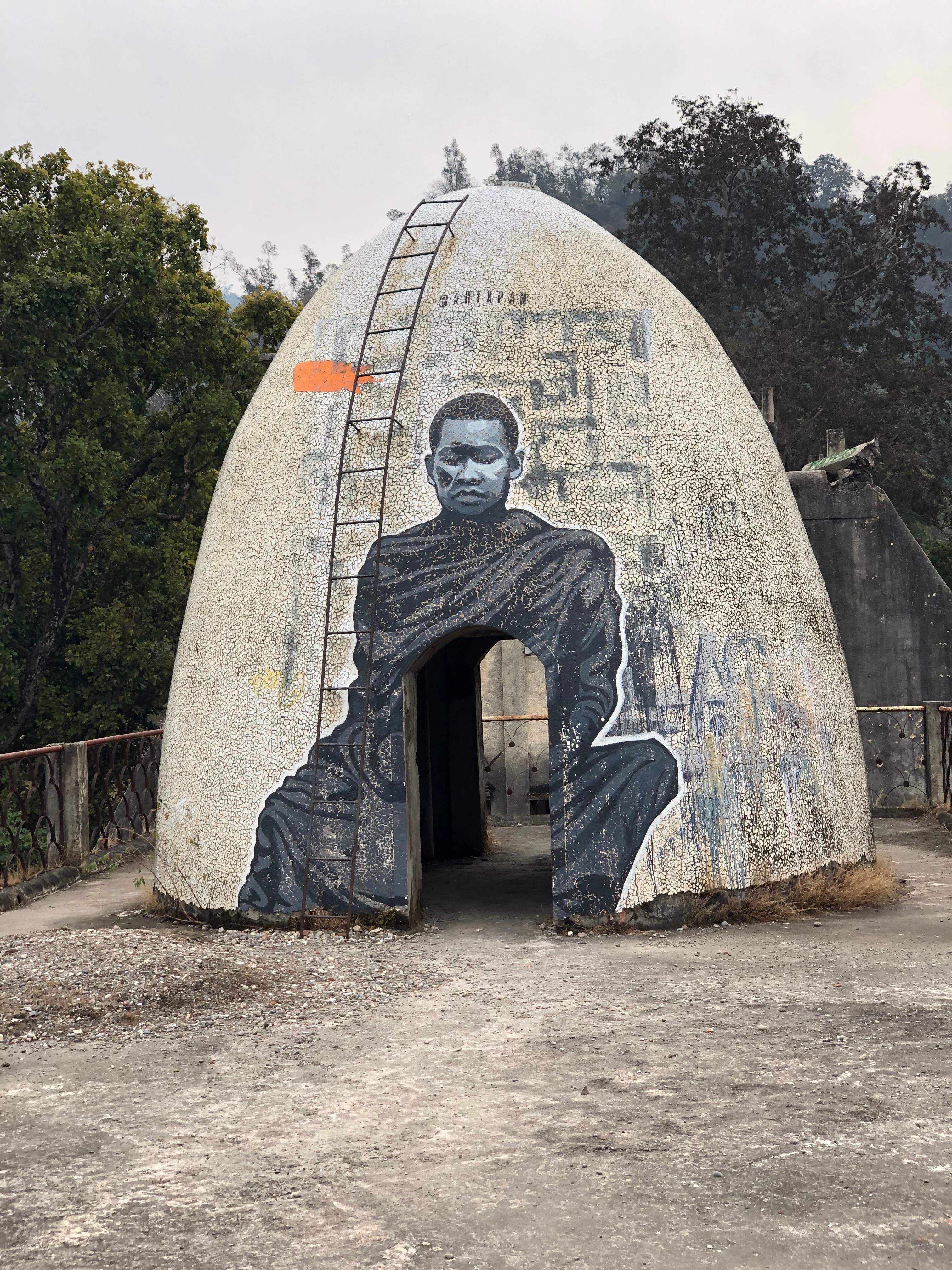
The compound included residential buildings, communal spaces, meditation rooms and distinctive structures designed to provide seclusion for spiritual practice.
Rishikesh already possessed a long tradition as a centre of Hindu spiritual life, yoga and pilgrimage. The Maharishi's academy was part of that broader landscape, although its growing international following would soon bring a very different kind of attention.
The Beatles' arrival transformed the secluded retreat into a subject of worldwide fascination.
A remarkable gathering in 1968
The Beatles came to Rishikesh at a time of profound changes in their lives and careers.
Their manager, Brian Epstein, had died the previous year. The band was experimenting musically, personally and spiritually.
George Harrison, whose interest in Indian music and culture was already well established, was particularly enthusiastic about meditation.
The four musicians arrived in February 1968, accompanied by wives or partners. Other participants and visitors included the singer Donovan, Mike Love of the Beach Boys, actress Mia Farrow and her sister Prudence.
The daily routine was very different from life on the concert circuit.
There were meditation sessions, lectures, vegetarian meals, walks through the grounds and long periods of quiet reflection.
Yet the Beatles did not stop making music.
Far from it.
Away from recording studios, concert halls and the relentless attention of their fans, they found time to write an extraordinary number of songs.
Many would appear on their 1968 double album, The Beatles, better known as the White Album.
Among the songs associated with the Rishikesh period were Dear Prudence, Blackbird, Back in the U.S.S.R. and The Continuing Story of Bungalow Bill.
The retreat also inspired music that would appear on later recordings.
One of the most engaging stories concerns Prudence Farrow, who devoted herself so intensely to meditation that she largely withdrew from the social activities of the other guests.
John Lennon wrote Dear Prudence partly as an invitation for her to emerge and join them.
Another song, The Continuing Story of Bungalow Bill, drew inspiration from a hunting excursion involving a fellow visitor.
The ashram had become an unlikely songwriting retreat.
Why did the Beatles leave?
Their departures were not simultaneous.
Ringo Starr left after approximately ten days. Paul McCartney departed several weeks later.
John Lennon and George Harrison remained longer, leaving in April 1968 after tensions developed between the group and the Maharishi.
Accounts of the disagreement vary, particularly regarding allegations about the Maharishi's conduct. The allegations and the circumstances surrounding the departure remain contested.
The relationship between some of the Beatles and the Maharishi subsequently softened, and later recollections were not uniformly hostile.
Whatever the personal disagreements, the creative consequences of the visit were extraordinary.
The musicians had produced a remarkable body of material during an unusually concentrated period of songwriting.
Rishikesh became an enduring chapter in the Beatles' history, while helping introduce millions of Western listeners to Indian approaches to meditation and spirituality.
The ashram falls silent
The academy continued operating long after the Beatles departed.
But eventually its buildings were vacated and the complex fell into neglect.
By the late 1990s, the retreat had been abandoned.
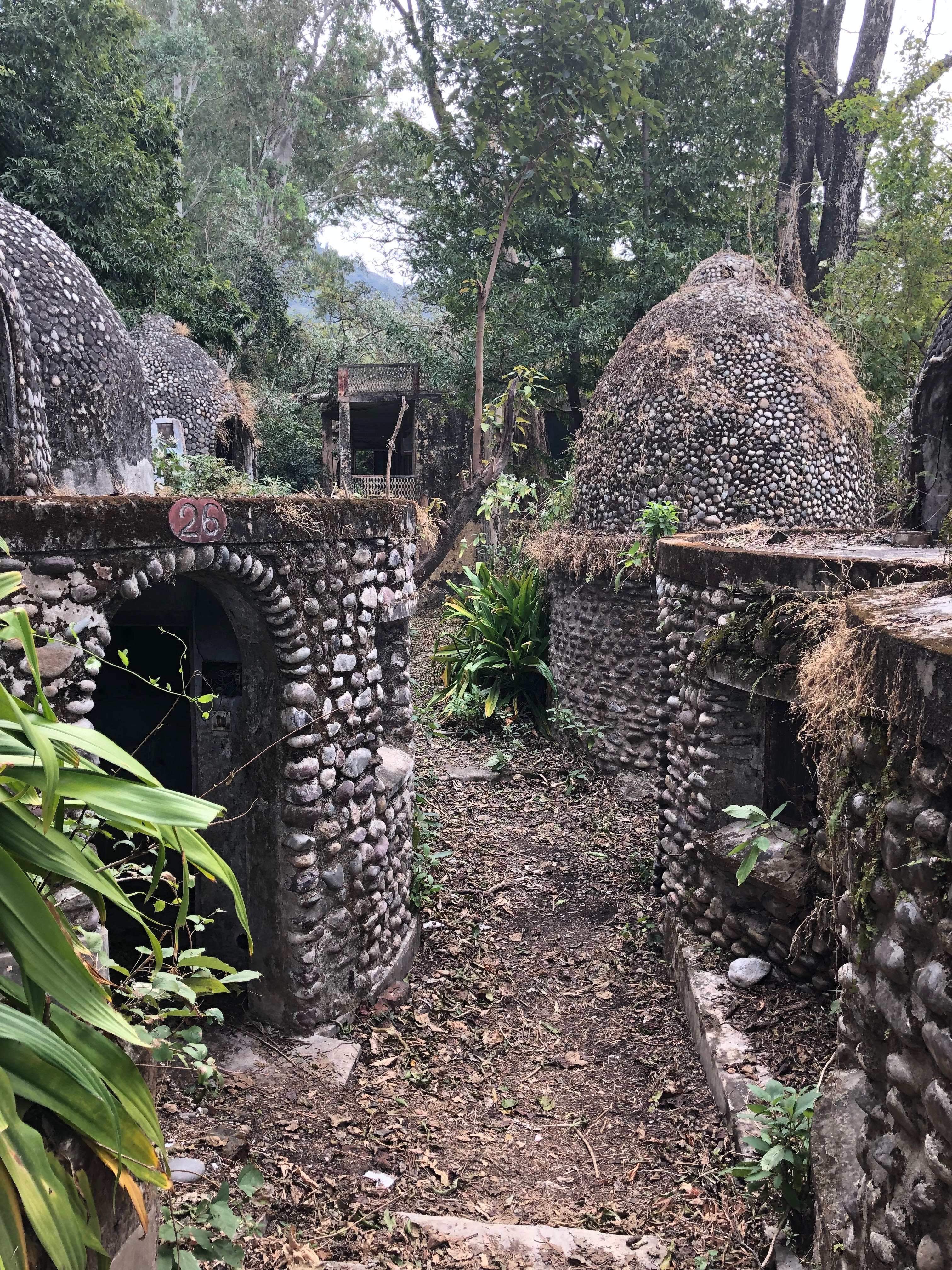
Vegetation spread across paths and courtyards. Buildings deteriorated, surfaces crumbled and unauthorized visitors left their own marks upon the walls.
The forest slowly reclaimed much of the compound.
For years, Beatles enthusiasts and adventurous travellers found ways to explore the deserted complex.
It might easily have remained little more than a decaying historical curiosity.
Then the artists arrived.
A new generation discovers the walls
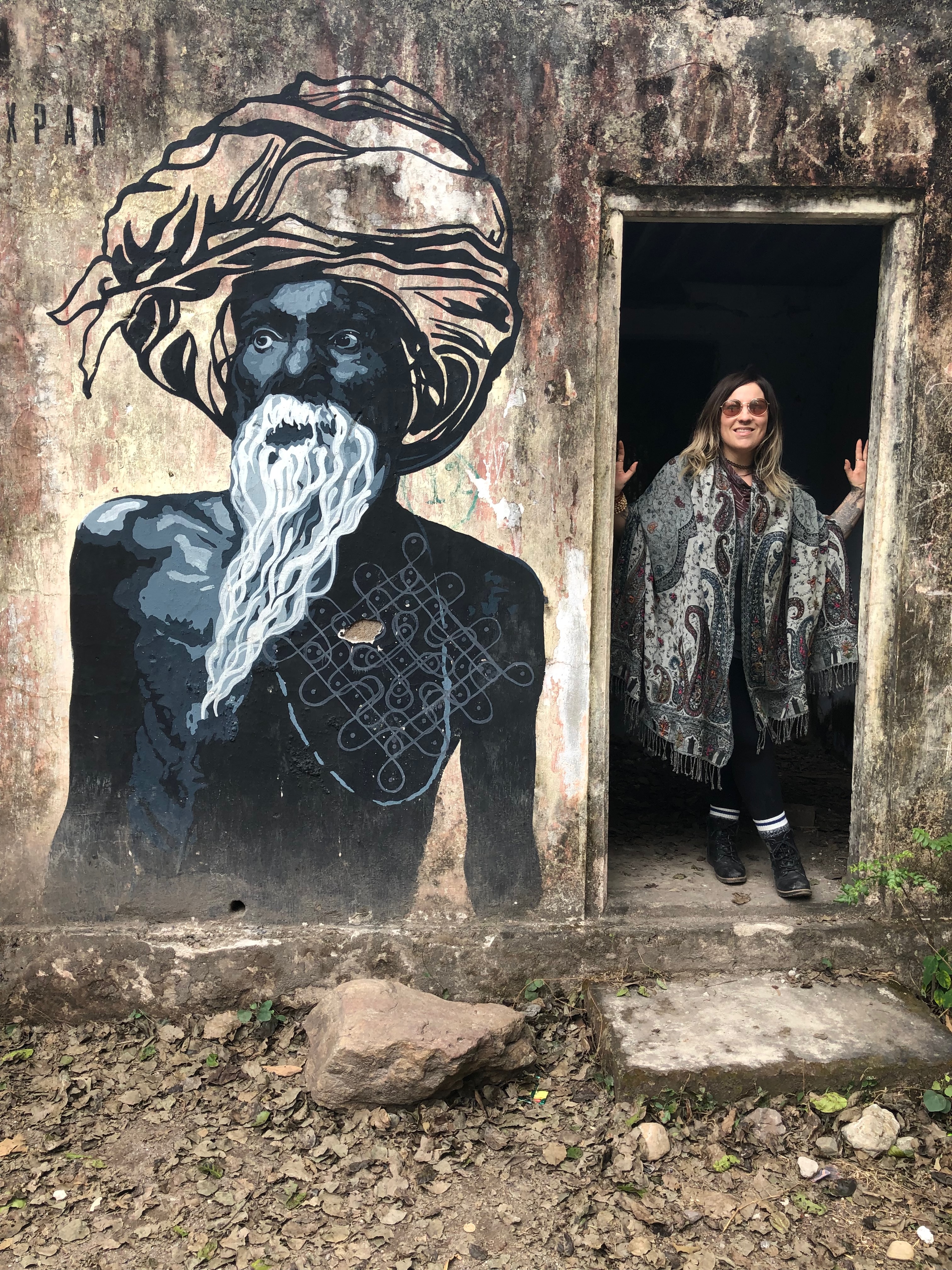
One of the central figures in the ashram's artistic transformation was Pan Trinity Das, an artist with a strong interest in Indian spiritual culture.
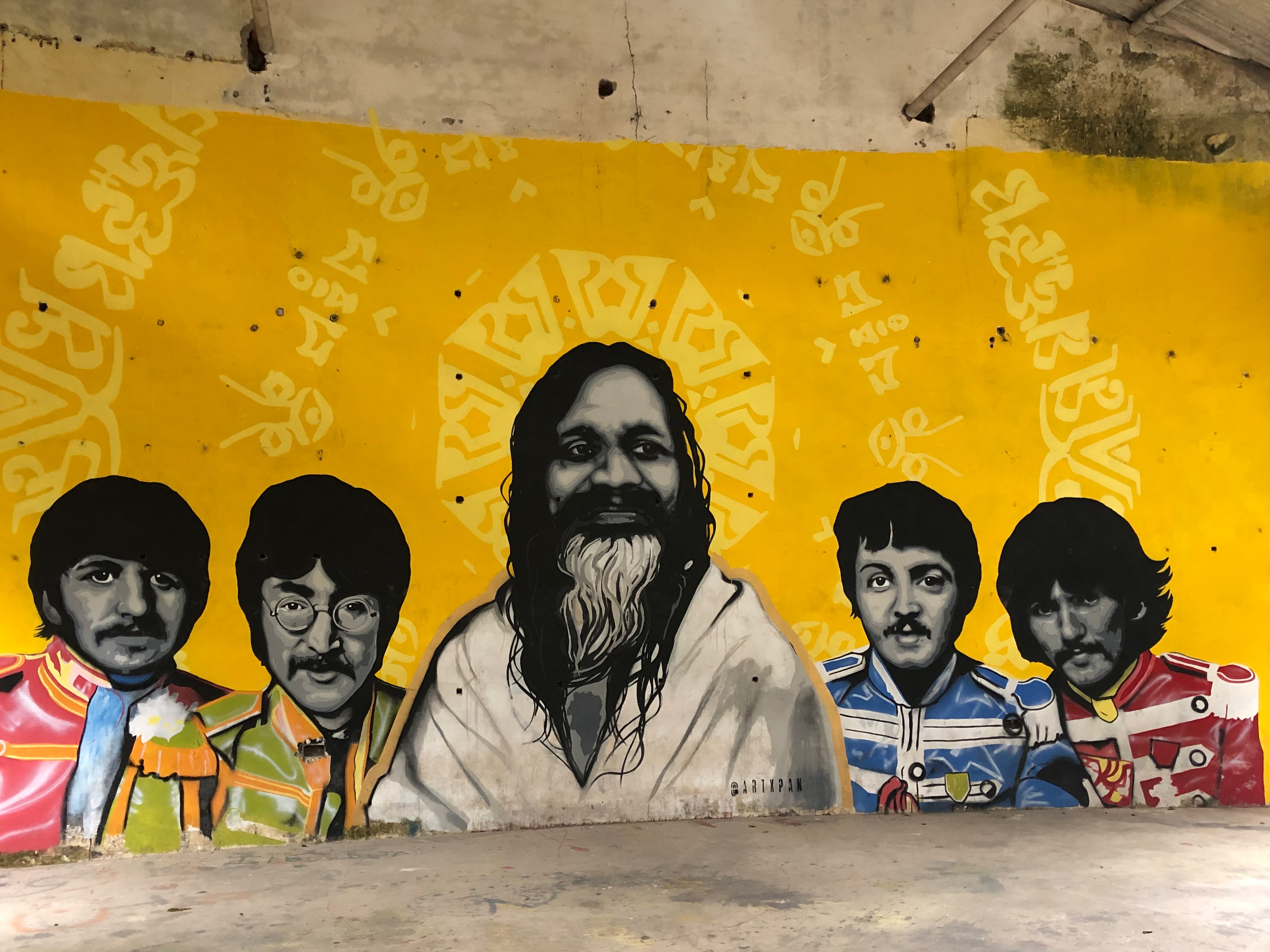
Beginning in the early 2010s, he created murals celebrating the Beatles, the Maharishi and the spiritual atmosphere of Rishikesh.
Working with fellow artist Kyrie Maezumi, he helped transform neglected buildings into colourful spaces filled with portraits, symbolic imagery and references to the music composed there.
Their early work did not always have official authorization, and the artists encountered difficulties with park authorities.
But the project gradually attracted attention.
By 2016, they were able to return with permission and continue their work.
Among those invited to participate was an artist whose paintings would become some of the most memorable in the entire complex.
His name was Miles Toland.
Miles Toland: Finding life in abandoned spaces
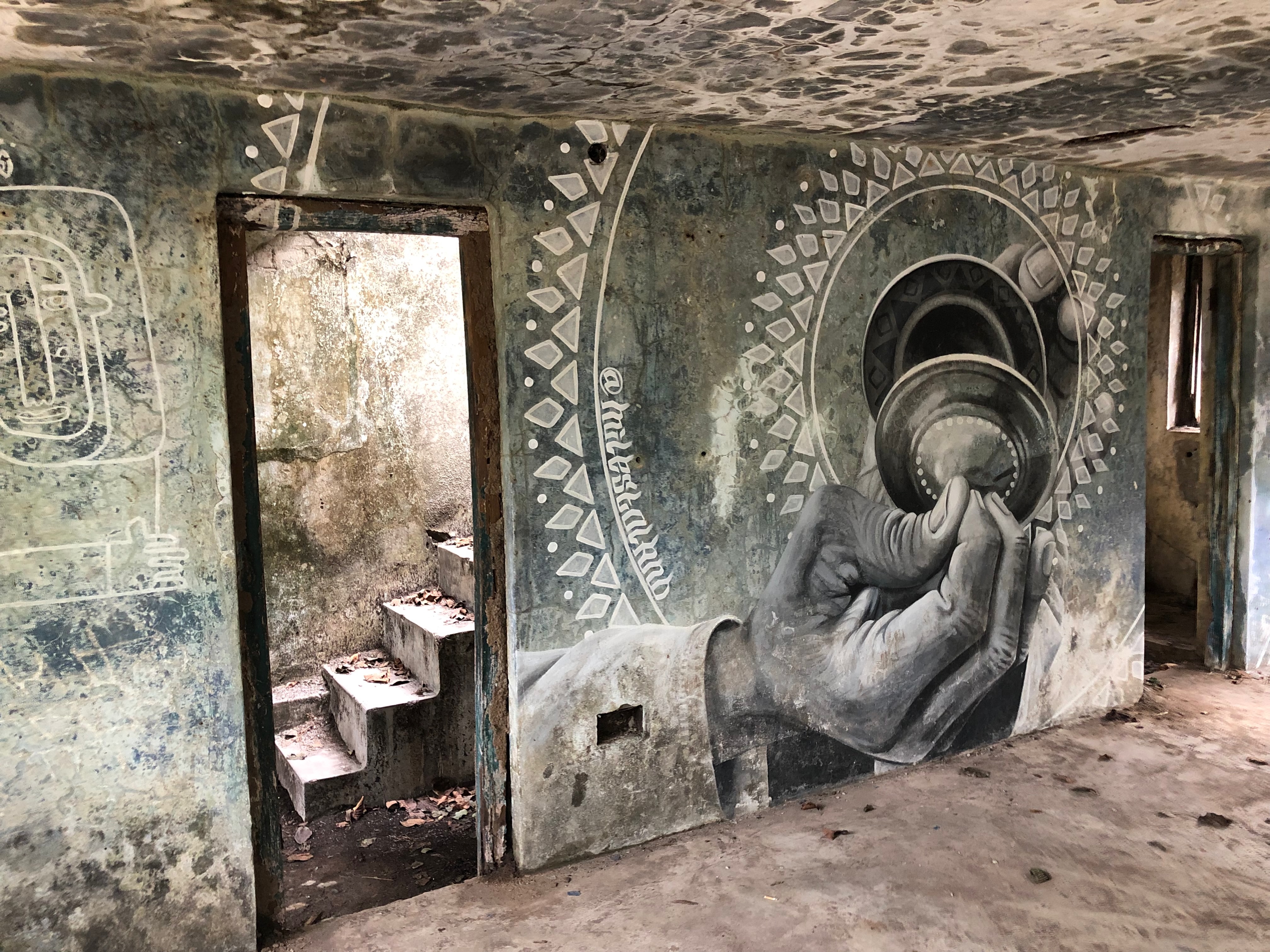
Toland approached the ashram differently from artists who concentrated primarily on portraits of the Beatles.
He was drawn to the spiritual traditions of Rishikesh and, particularly, to the ordinary people he encountered in the streets.
He photographed local characters and transformed those observations into large-scale murals.
Some depicted bearded spiritual figures; others showed musicians, animals or moments of everyday life.
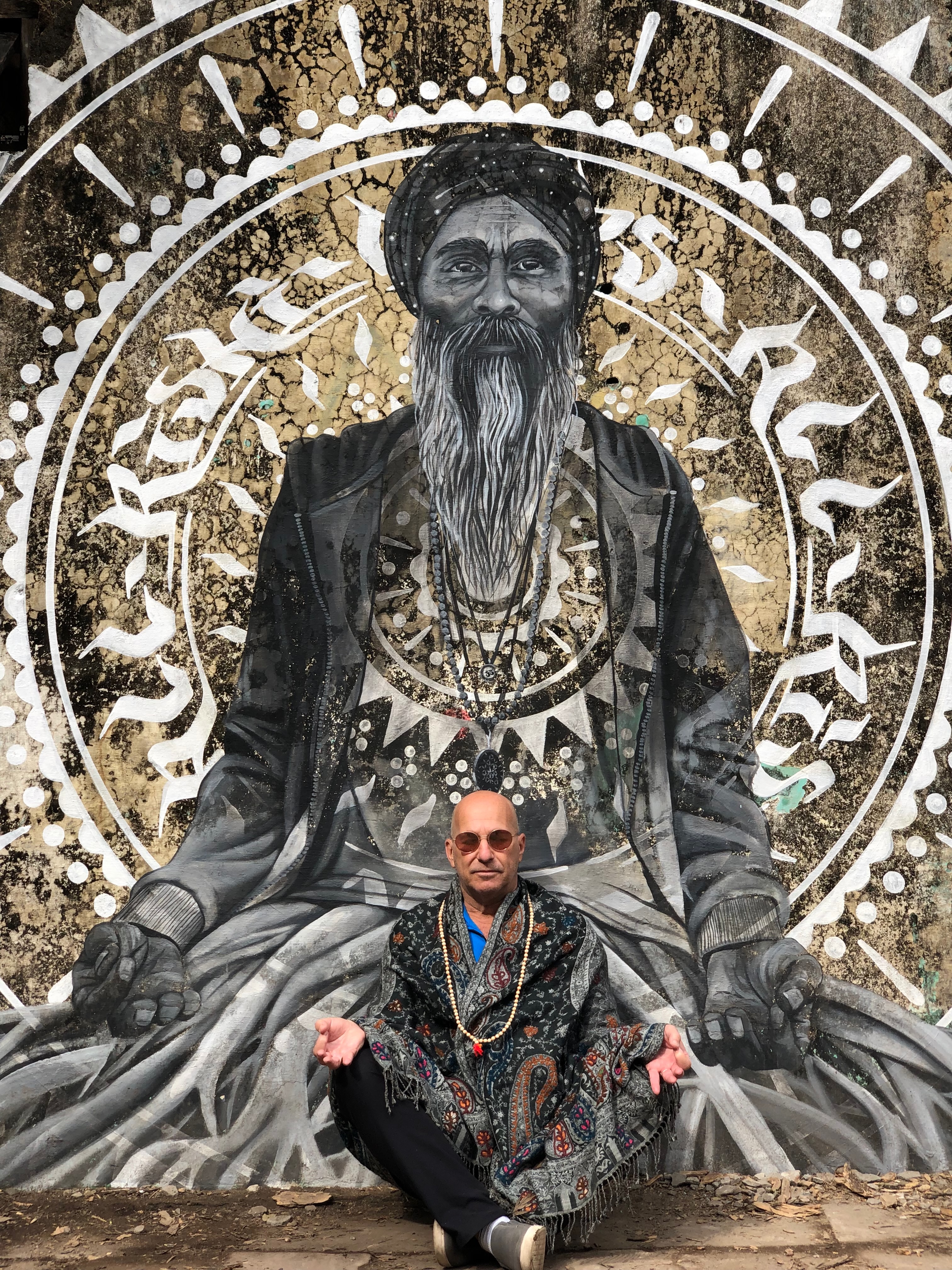
His paintings frequently combined realistically rendered human subjects with elaborate geometric patterns and radiant, mandala-like forms.
The effect was striking.
The figures seemed to emerge from the surrounding architecture, their human presence becoming part of the building itself.
During a concentrated period in 2016, Toland challenged himself to create one mural each day for a week. He ultimately completed additional works.
For visitors wandering through the former ashram, these paintings offered something quite unexpected.
A place celebrated because four British musicians had once stayed there was now displaying monumental images inspired by contemporary Indian life.
The art was no longer simply about remembering the Beatles.
It was also about celebrating Rishikesh.
Other artists contributed their own interpretations, helping turn the deteriorating buildings into an evolving outdoor gallery.
Among them was Hope Nelson, who participated in the 2016 artistic revival.
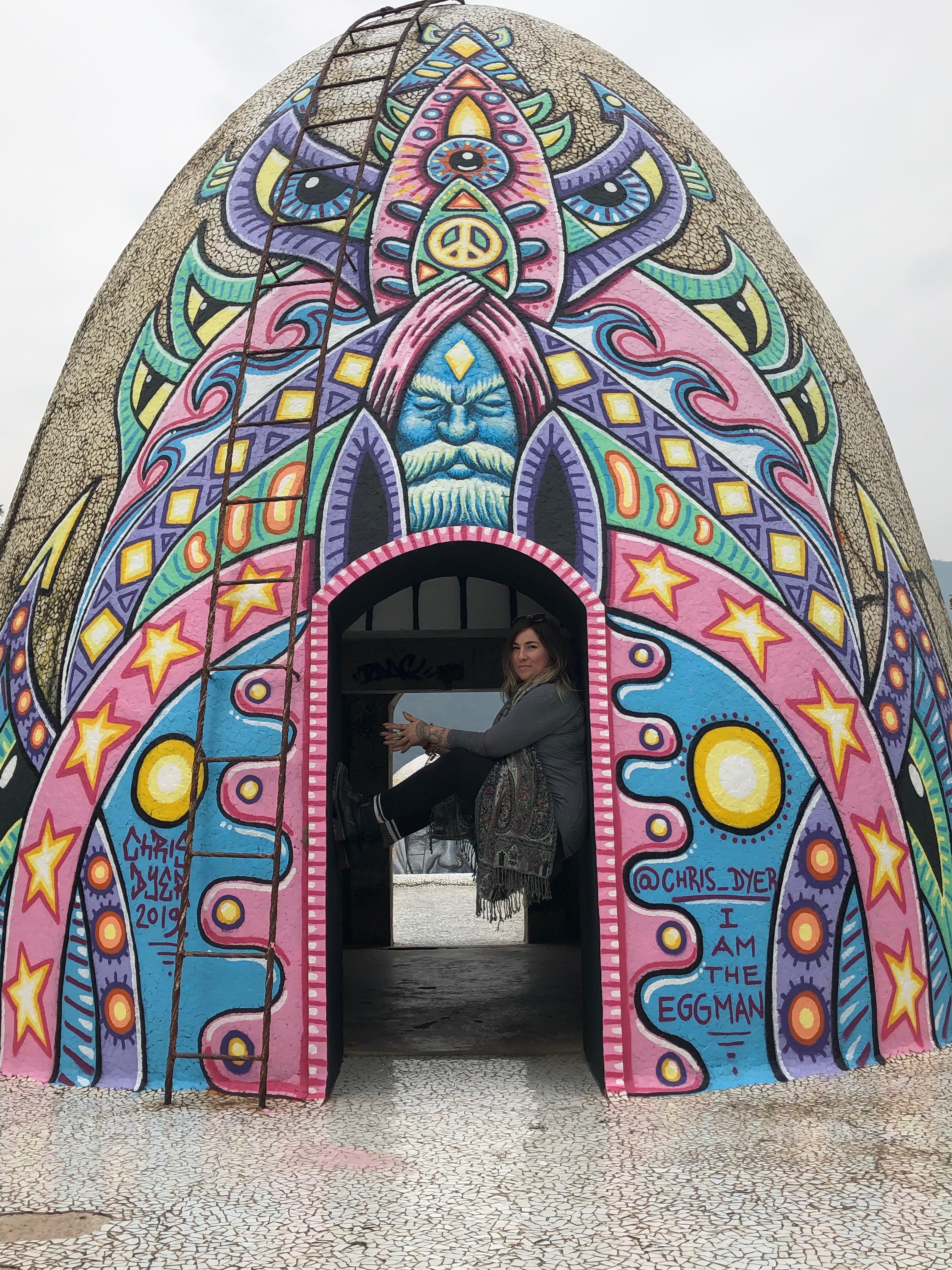
By January 2019, when I visited the ashram with my daughter Jennifer, we also encountered paintings attributed to Canadian-born artist Chris Dyer, including work we understood to have been completed only recently.
The artworks gave the site a vitality that its abandoned buildings might otherwise have lacked.
The public returns
In December 2015, the Uttarakhand Forest Department formally reopened the ashram to visitors.
The grounds had become part of the protected landscape of the Rajaji Tiger Reserve, and the renewed interest in the Beatles helped establish the site as a heritage and tourism destination.
Visitors could walk through the old meditation buildings, explore galleries displaying historical photographs and discover the murals scattered throughout the complex.
The contrast was extraordinary.
Once a private retreat dedicated to meditation, the ashram had become a place where music history, abandoned architecture, contemporary art and spiritual imagery coexisted.
For some visitors, the Beatles remained the principal attraction.
For others, the paintings were every bit as compelling.
A visit fifty-one years later
When Jennifer and I arrived in January 2019, I expected to find a place principally devoted to the Beatles.
And initially that was what we saw.
There were historical photographs, displays about Maharishi Mahesh Yogi and plaques bearing the lyrics of familiar songs.
But the longer we explored, the more the murals captured our attention.
We discovered a magnificent portrait of a bearded yogi by Miles Toland, then continued through buildings whose walls had become canvases for extraordinary artistic expression.
Turquoise, blue, green, mustard and maroon appeared against concrete, plaster and weathered masonry.
Some paintings were enormous.
Others were hidden in corners, on rooftops or inside seemingly forgotten buildings.
For a photographer, the ashram offered an irresistible combination of colour, texture, architecture and imagination.
The ruins were no longer merely remnants of the past.
They had become part of the artwork.
What remains
The Beatles spent only a few weeks at the ashram in 1968.
Yet their visit gave the place an identity that endured long after the buildings ceased serving their original purpose.
The artists who followed did not simply preserve that identity.
They added something new.
Through their murals, the abandoned retreat became a meeting place between different generations, cultures and forms of creative expression.
The music brought people there.
The art gave them another reason to stay.
And perhaps that is the most remarkable chapter in the story of the Beatles Ashram.
A place once dedicated to withdrawing from the distractions of the world eventually found a new purpose by inviting the world back inside.