Everyday Lives Documentary Archives
Loading the documentary experience…
Photography and text are prioritized. Interactive geographic context loads only when needed.
Everyday Lives Documentary Archives
Photography and text are prioritized. Interactive geographic context loads only when needed.
Documentary Knowledge Centre
Arts, Work & Culture
There is no single answer: textiles, dyes, religious practice, festivals, flowers, painted surfaces, craft traditions and regional differences all contribute to the strong visual presence of colour in India.
India is not uniformly colourful, and colour does not carry one national meaning. The visual intensity noticed by visitors and photographers comes from many overlapping histories: textile production, religious practice, craft, painted architecture, flowers, markets, festival decoration, advertising, vehicles and contemporary design. Different regions, communities and households use colour differently.
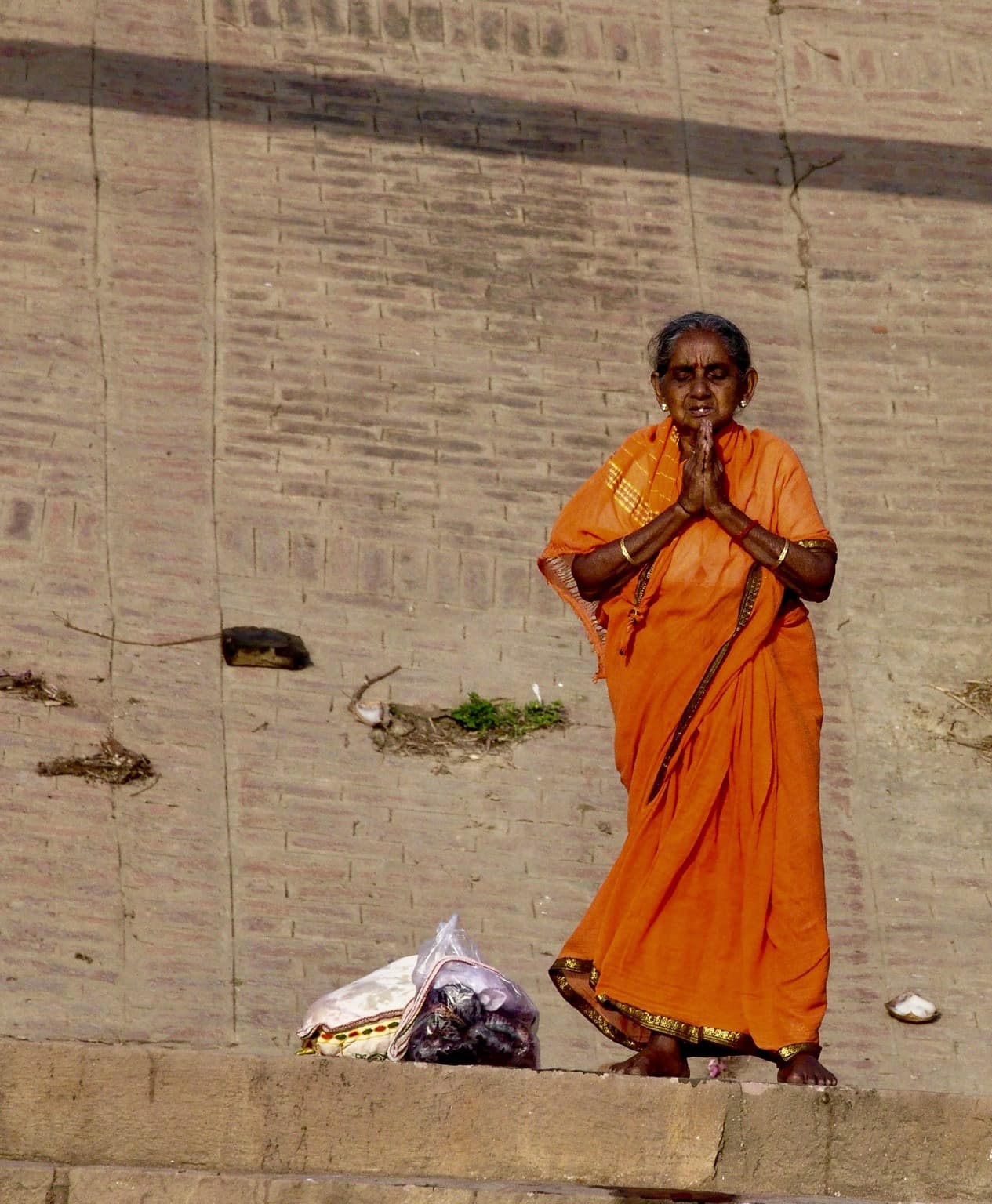
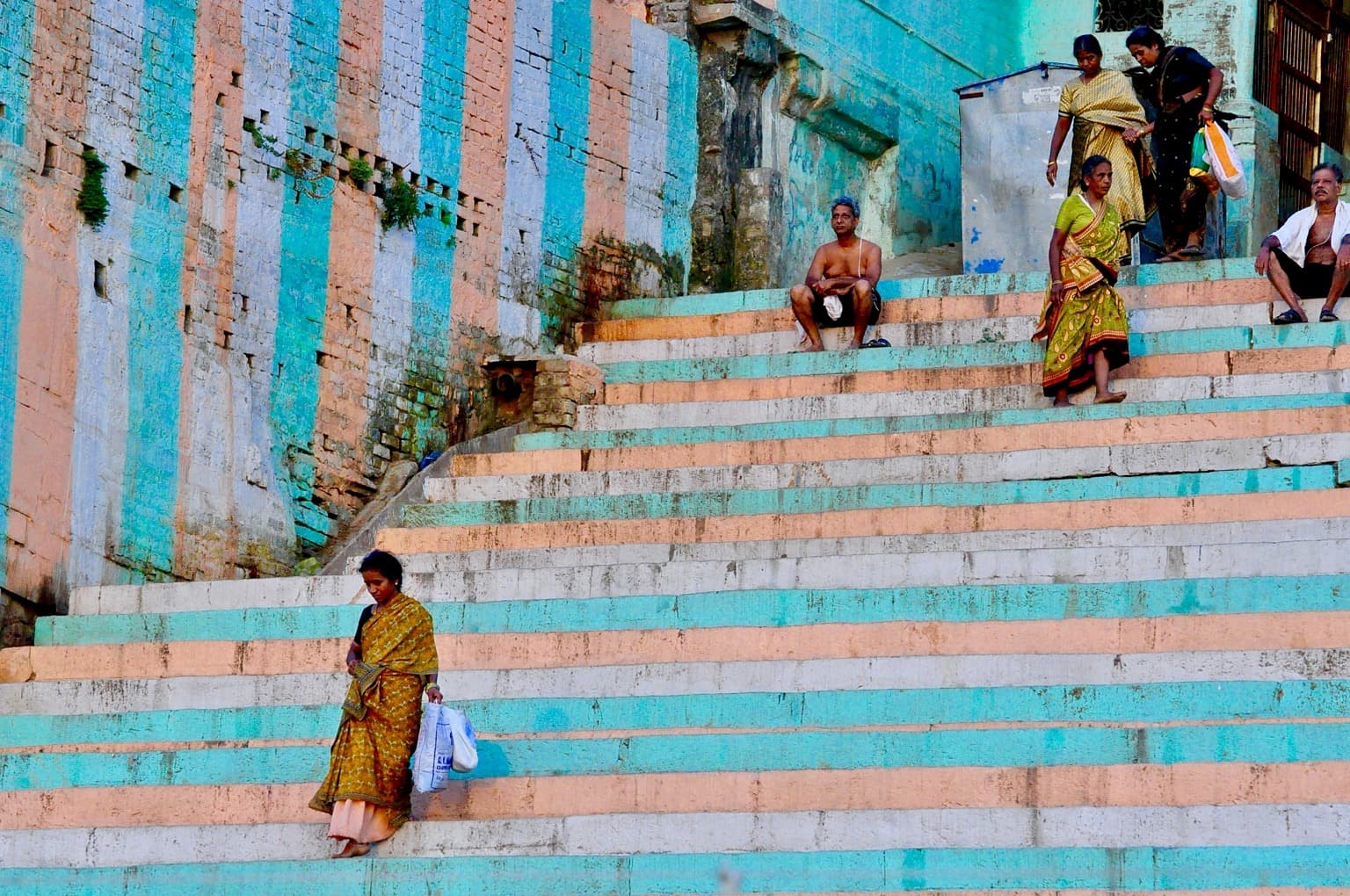
Textiles place colour directly on the human figure. Saris, salwar kameez, turbans, shawls, festival dress, work clothing and contemporary fashion can introduce saturated colour into streets and landscapes that may otherwise be dominated by stone, earth, concrete or dust. India’s long textile history includes highly developed traditions of dyeing, weaving, printing, embroidery and metallic embellishment.
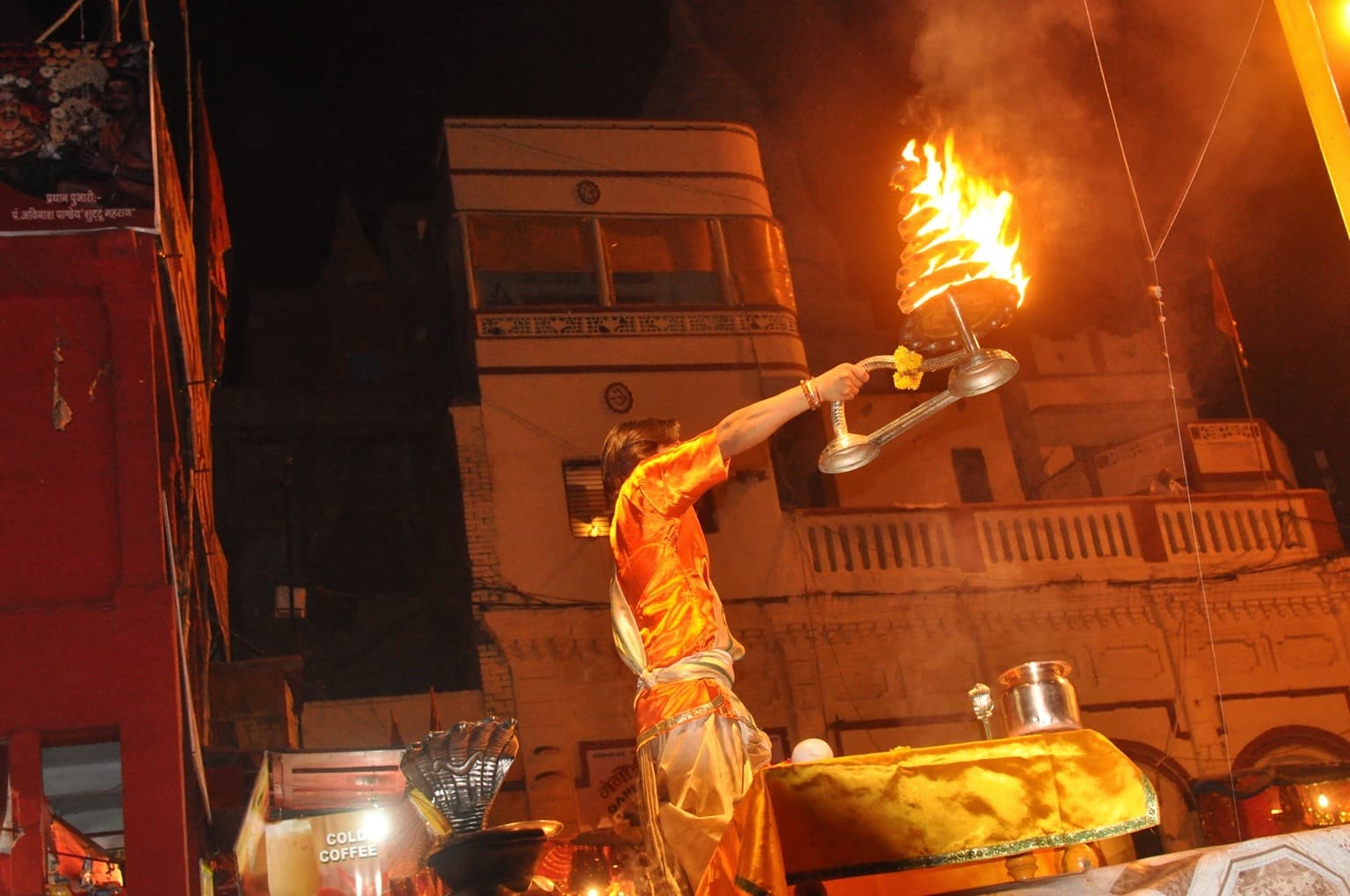
In many religious contexts colour appears through cloth, flowers, powders, painted images, lamps, banners and decoration. Festivals can temporarily intensify the visual environment: Holi makes pigment itself part of public celebration, while Diwali brings lamps, rangoli and decoration into homes and streets. These practices are diverse and should not be reduced to a fixed dictionary in which every colour always means the same thing.
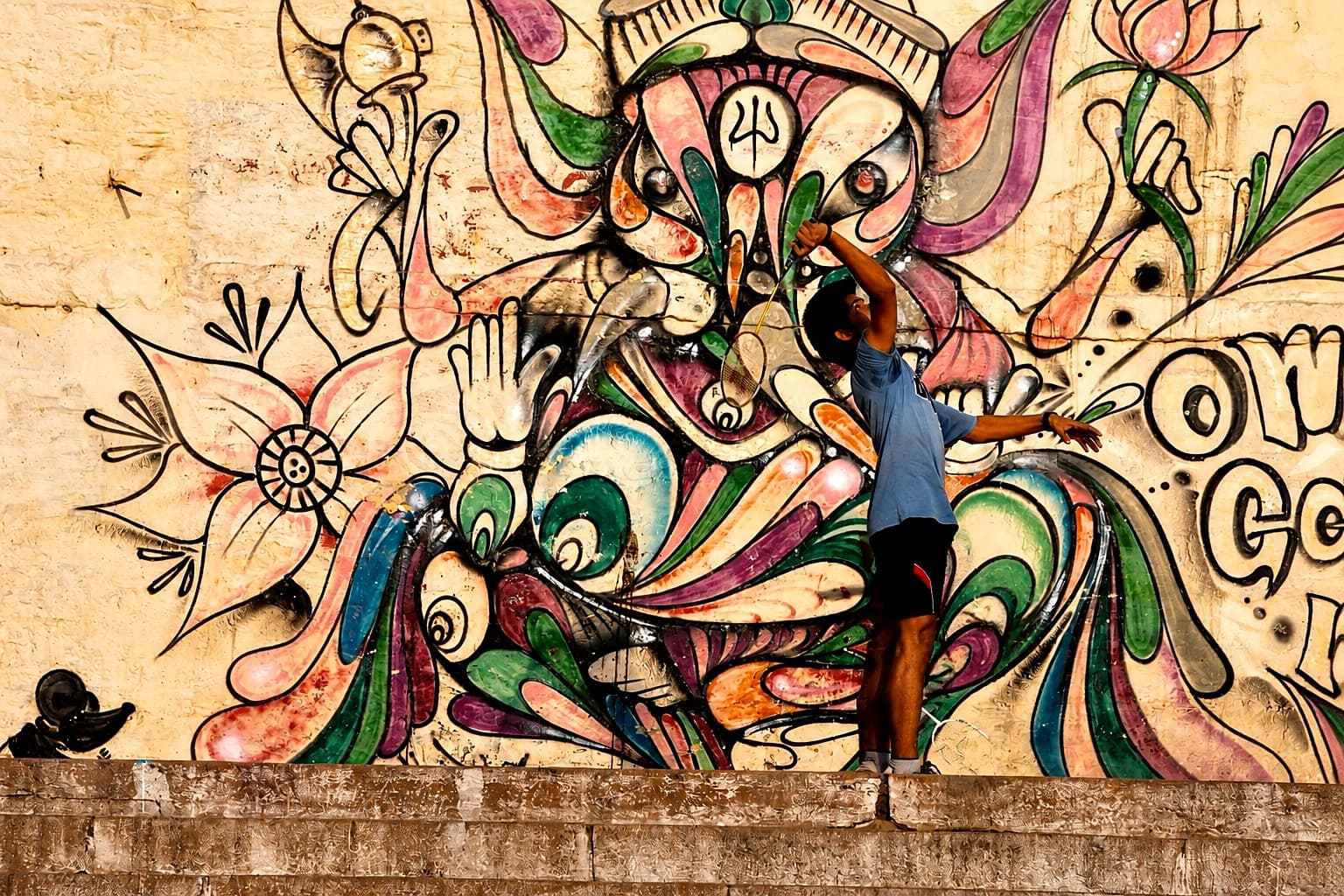
Painted facades, murals, shrines, temples, signs, vehicles, shopfronts and decorated objects can create a dense visual field. Some places develop recognisable architectural palettes, while others are characterised by layers of repainting, weathering, advertising and informal decoration rather than a single planned scheme.
There is no single visual palette for India. Textile traditions, building materials, religious traditions, local pigments, climate and craft histories vary greatly from Rajasthan to Bengal, Punjab, Odisha, Tamil Nadu, Kerala, Telangana, Maharashtra and beyond. A documentary archive should therefore move from broad national context toward regional explanation as each place is developed.
Photography isolates a frame. A bright garment against grey stone, a painted wall beside weathered masonry, or orange flame against a dark evening can become more visually dominant than it felt in continuous experience. Sunlight, shadow, exposure, white balance, screen brightness and image processing can also affect perceived saturation. The archive therefore treats colour as both a property of the scene and a photographic relationship among colours, surfaces and light.
Describing India as “a colourful country” can become a cliché if colour is treated as evidence of timeless exoticism. Everyday Lives uses colour as a question rather than a stereotype: who made it, where did it come from, what is it doing in this particular place, and what does the photograph actually show?
These sources support the historical and cultural context of this article. They are provided so interested readers, students and researchers can continue beyond the introductory text.
Related documentary material
Return to experience
Explore the Knowledge Centre →Read documentary stories →Continue discovering →