Everyday Lives Documentary Archives
Loading the documentary experience…
Photography and text are prioritized. Interactive geographic context loads only when needed.
Everyday Lives Documentary Archives
Photography and text are prioritized. Interactive geographic context loads only when needed.
Documentary Knowledge Centre
Places & History
How Varanasi’s stepped riverfront became a network of named places for worship, work, bathing, gathering, festivals and cremation.
Related place: Varanasi · Uttar Pradesh
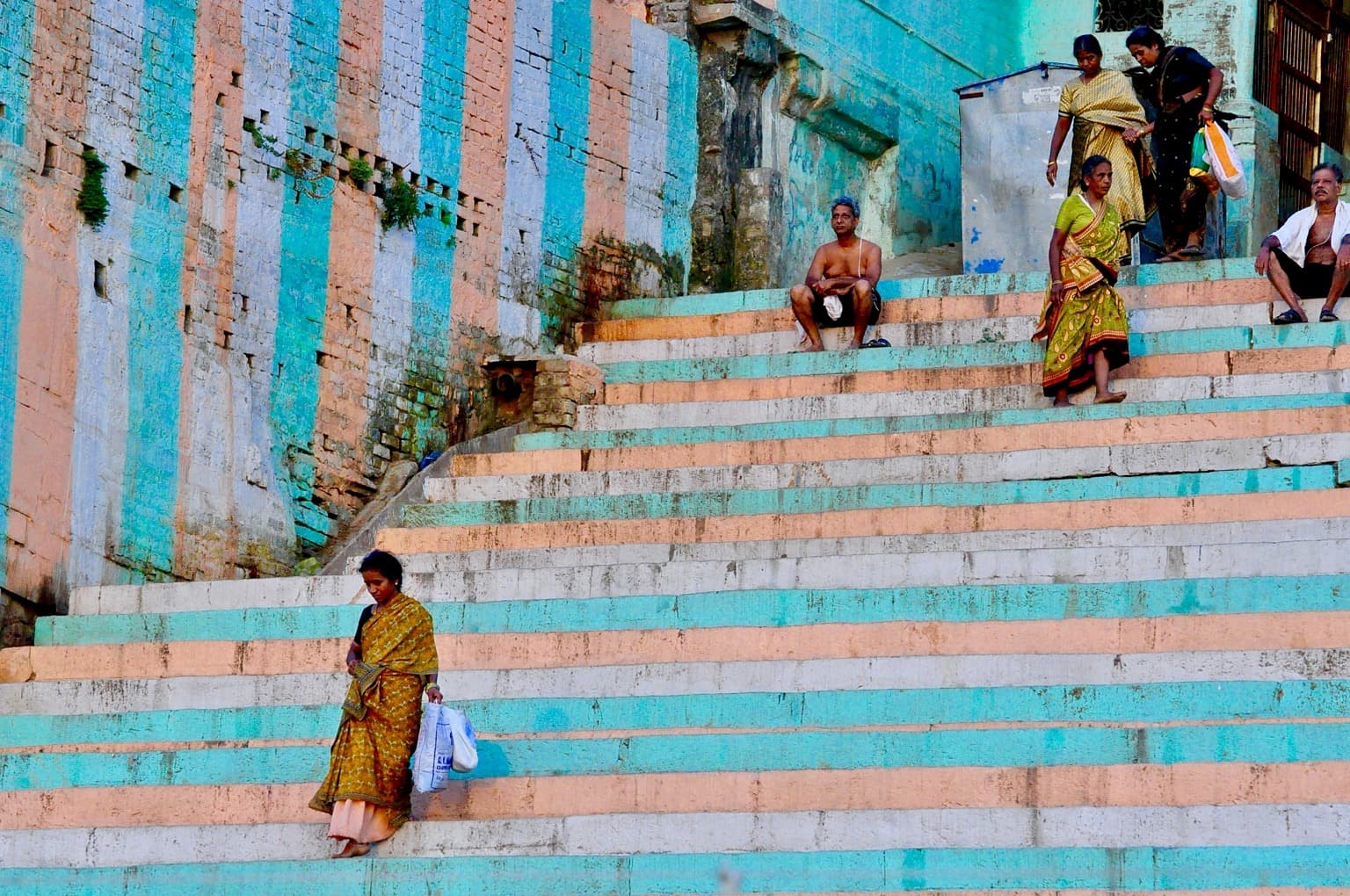
A ghat is a stepped approach to a river or other body of water. In Varanasi the term also identifies named sections of the riverfront, each with its own architectural character, patronage, religious associations and patterns of use. The ghats should therefore not be treated as interchangeable scenery.
The waterfront’s sacred associations are ancient, but its present architecture accumulated over centuries. Stone steps, palatial buildings, temples, rest houses and other structures were constructed, enlarged and rebuilt under many patrons. Much of the monumental riverfront visible today reflects early-modern and later building campaigns.
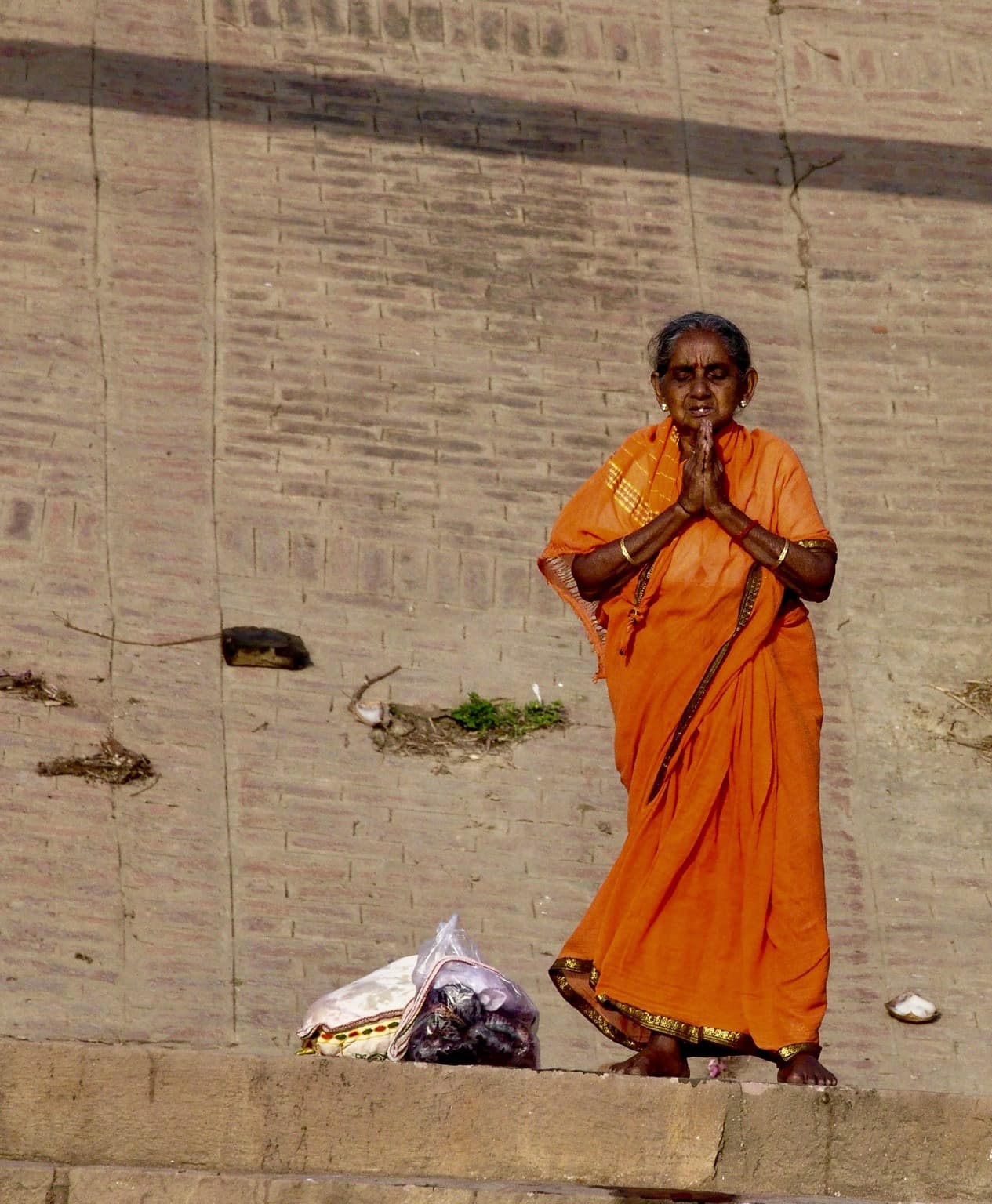
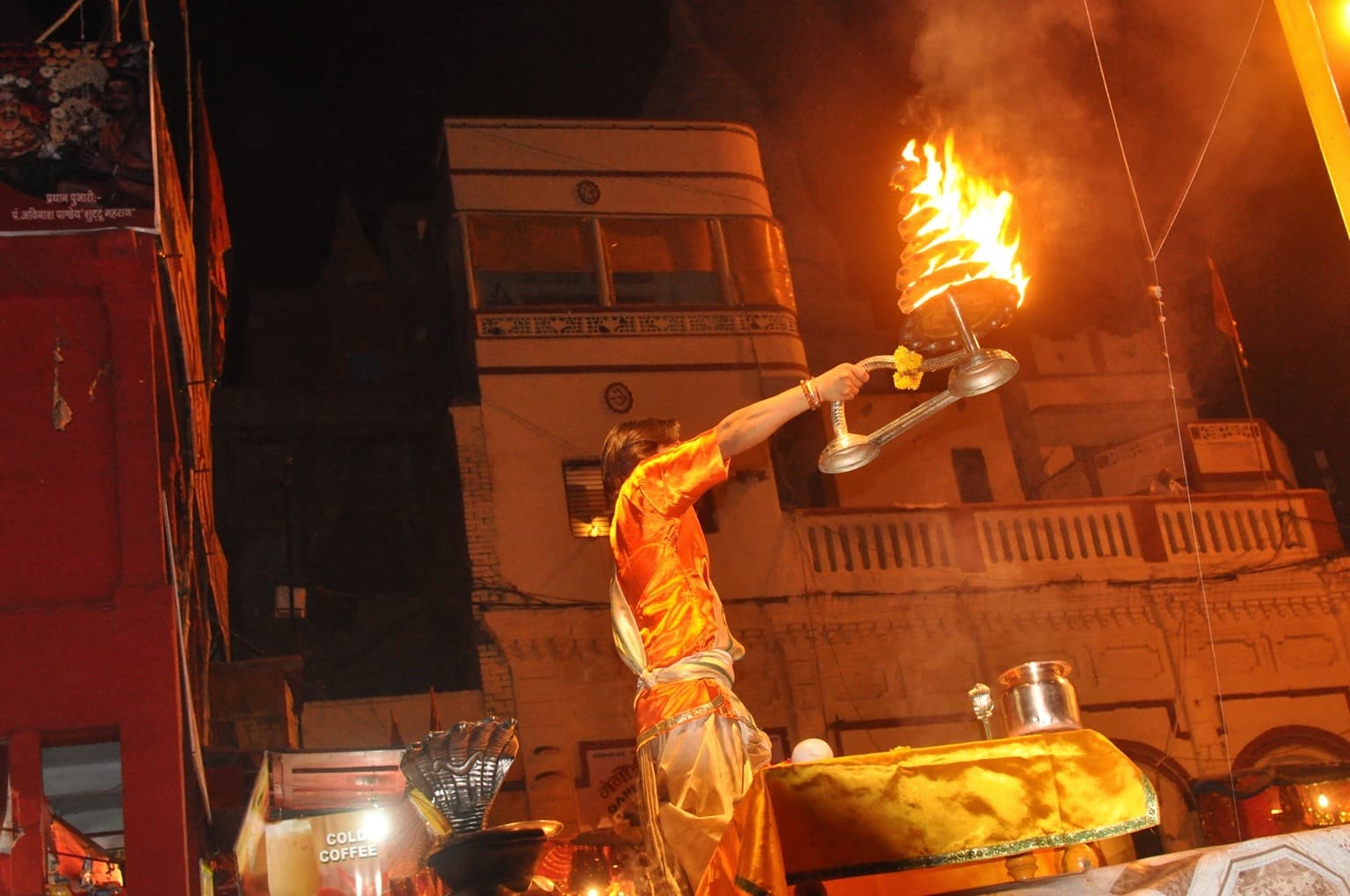
Bathing, prayer, offerings, festivals, teaching, commerce, laundry, conversation, exercise, boat traffic and rest all occur on the ghats. Some ghats are particularly associated with temples or pilgrimage routes, while Manikarnika and Harishchandra are especially associated with cremation.
Kedar, Karnataka State, Rana Mahal, Munshi, Dashashwamedh and Man Mandir are among the ghats represented in the archive. Preserving those names matters because each photograph belongs to a specific place, not simply to a generalized idea of “the Ganges steps.”
The documentary value of the ghats lies in the interaction of built form and repeated human use. Their heritage is not only architectural. It is continually produced by residents, workers, worshippers, pilgrims and visitors who use the riverfront for different purposes throughout the day and across generations.
These sources support the historical and cultural context of this article. They are provided so interested readers, students and researchers can continue beyond the introductory text.
Related documentary material
Return to experience
Explore this place →Explore the Knowledge Centre →Read documentary stories →Continue discovering →