Everyday Lives Documentary Archives
Loading the documentary experience…
Photography and text are prioritized. Interactive geographic context loads only when needed.
Everyday Lives Documentary Archives
Photography and text are prioritized. Interactive geographic context loads only when needed.
Documentary Knowledge Centre
Faith & Practice
An introduction to the diversity of Hindu traditions, including major ideas, devotional practice, sacred texts and the many ways Hindu life is lived.
Hinduism has no single founder, central church or universally binding creed. The word describes a large and internally diverse family of religious, philosophical and cultural traditions that developed over many centuries in South Asia. Vaishnava, Shaiva and Shakta traditions are among the major devotional streams, but regional, local, philosophical and family traditions add further diversity.
The Vedas are among the oldest sacred texts associated with Hindu traditions. The Upanishads, the Bhagavad Gita, the Ramayana, the Mahabharata, the Puranas and many regional works have also profoundly shaped Hindu thought and practice. Their authority and interpretation differ among communities; no single text functions for all Hindus in exactly the same way.
Ideas often encountered in Hindu traditions include dharma, referring broadly to moral, social and religious order or duty; karma, the consequences of action; samsara, the cycle of birth and rebirth; and moksha, liberation. These concepts are interpreted differently across philosophical schools and devotional traditions and should not be reduced to one formula.
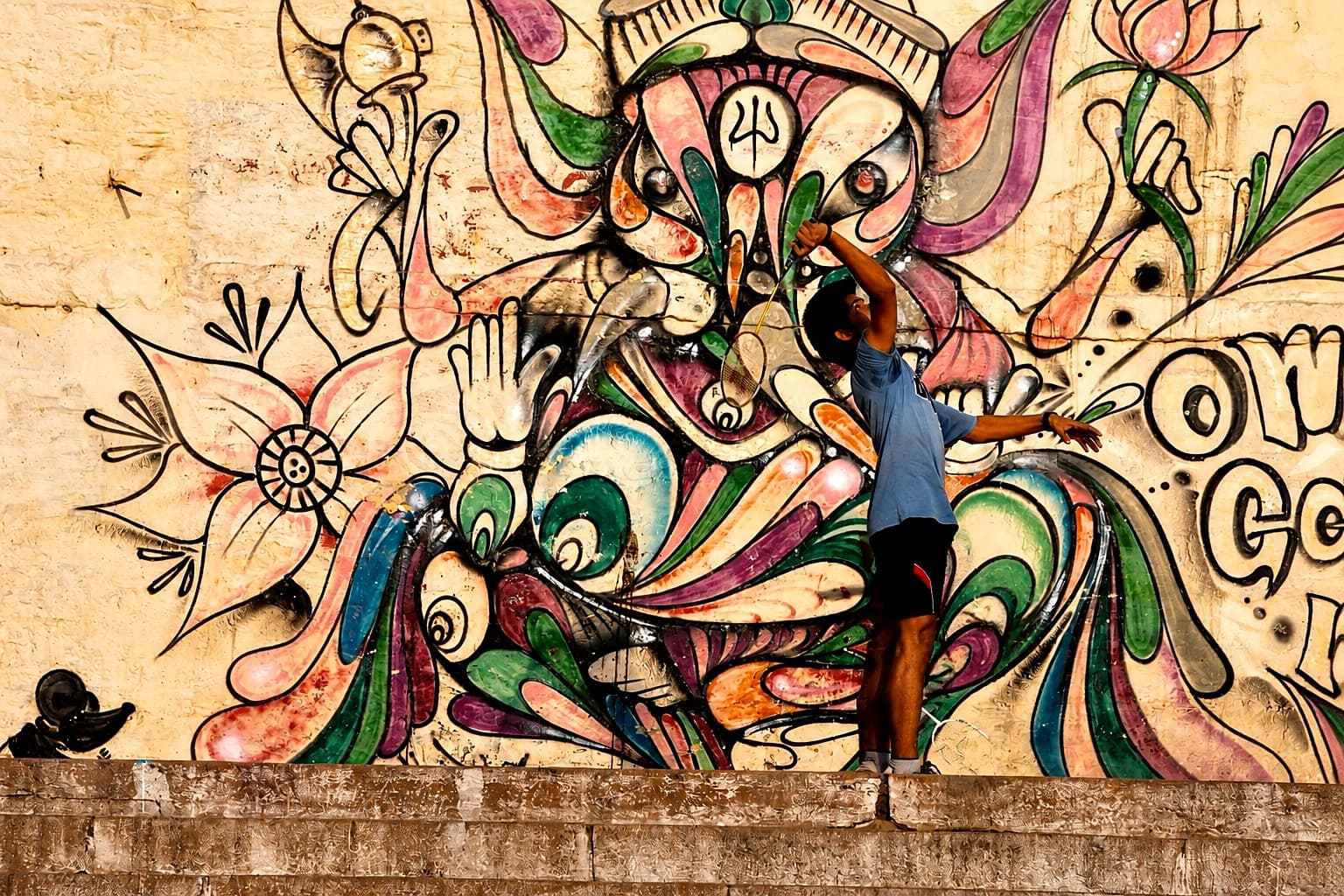
Hindu traditions include devotion to Shiva, Vishnu and his avatars, the Goddess in many forms, Ganesha and numerous other deities. Some Hindu philosophies emphasize an ultimate reality described as Brahman; some devotional traditions focus intensely on a personal deity. The familiar description of Hinduism as simply “polytheistic” can therefore obscure more than it explains.
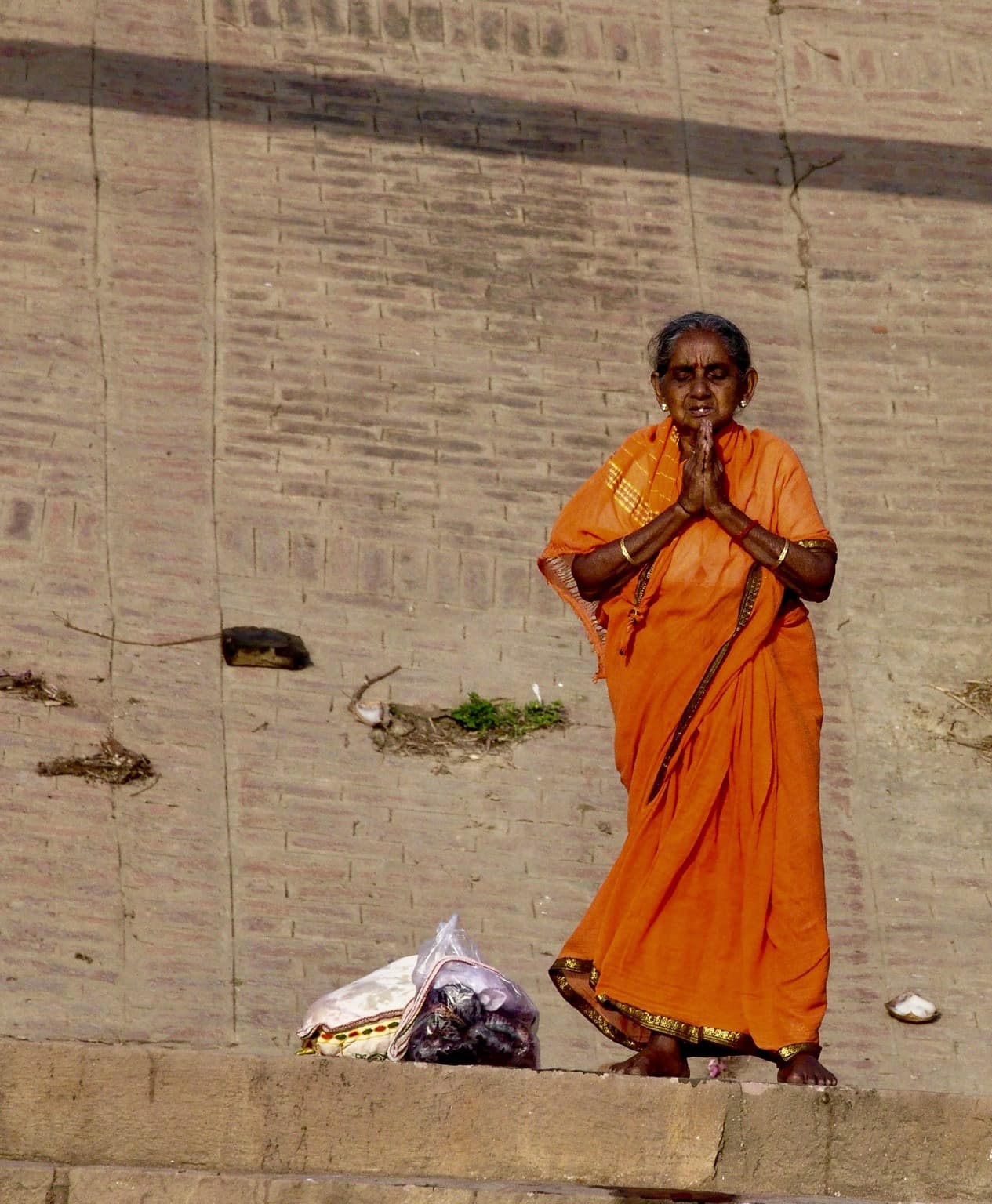
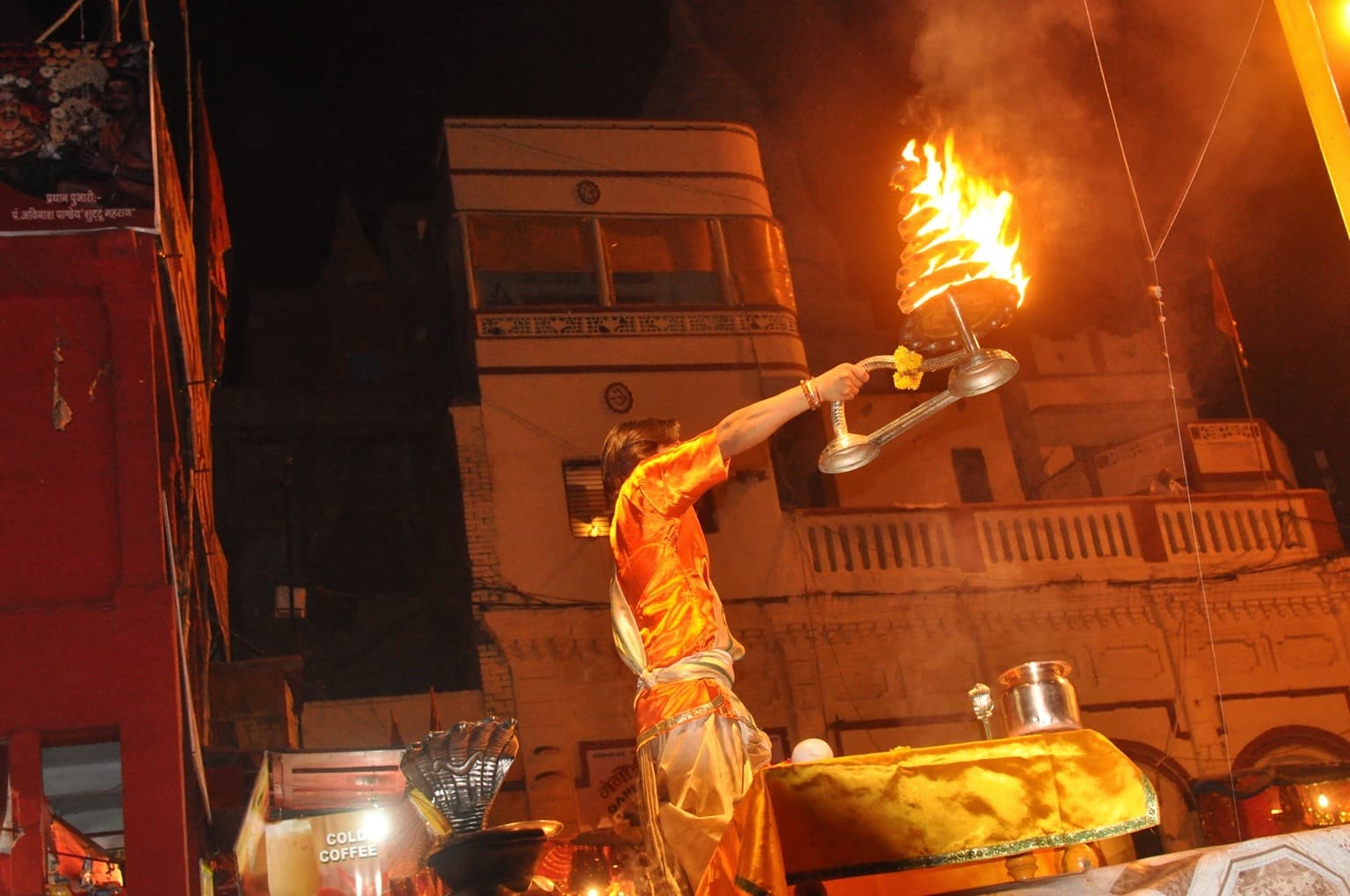
Puja, prayer, pilgrimage, festivals, recitation, music, offerings, meditation and acts of service may all be part of Hindu religious life. Practice can be domestic, temple-based, individual or collective. A photograph showing a shrine or ritual does not by itself identify the beliefs of every person present.
Because Hinduism is extraordinarily diverse, Everyday Lives avoids statements such as “Hindus believe” when the evidence supports only “many Hindu traditions hold” or “in this tradition.” Religious identity is not inferred from clothing, appearance or location unless the archive has reliable supporting information.
These sources support the historical and cultural context of this article. They are provided so interested readers, students and researchers can continue beyond the introductory text.
Related documentary material
Return to experience
Explore the Knowledge Centre →Read documentary stories →Continue discovering →