Everyday Lives Documentary Archives
Loading the documentary experience…
Photography and text are prioritized. Interactive geographic context loads only when needed.
Everyday Lives Documentary Archives
Photography and text are prioritized. Interactive geographic context loads only when needed.
Documentary Knowledge Centre
Faith & Practice
Shiva, the Ganges, pilgrimage, temples, ghats and the many forms of Hindu devotional life that shape Varanasi’s sacred geography.
Related place: Varanasi · Uttar Pradesh
Varanasi, or Kashi, is one of the most important sacred cities in Hindu traditions and is especially associated with Shiva. Temples and shrines dedicated to Shiva are woven through the old city, with Kashi Vishwanath among the most prominent. The city’s sacred significance, however, is expressed through many deities, local shrines and devotional practices rather than through one institution alone.
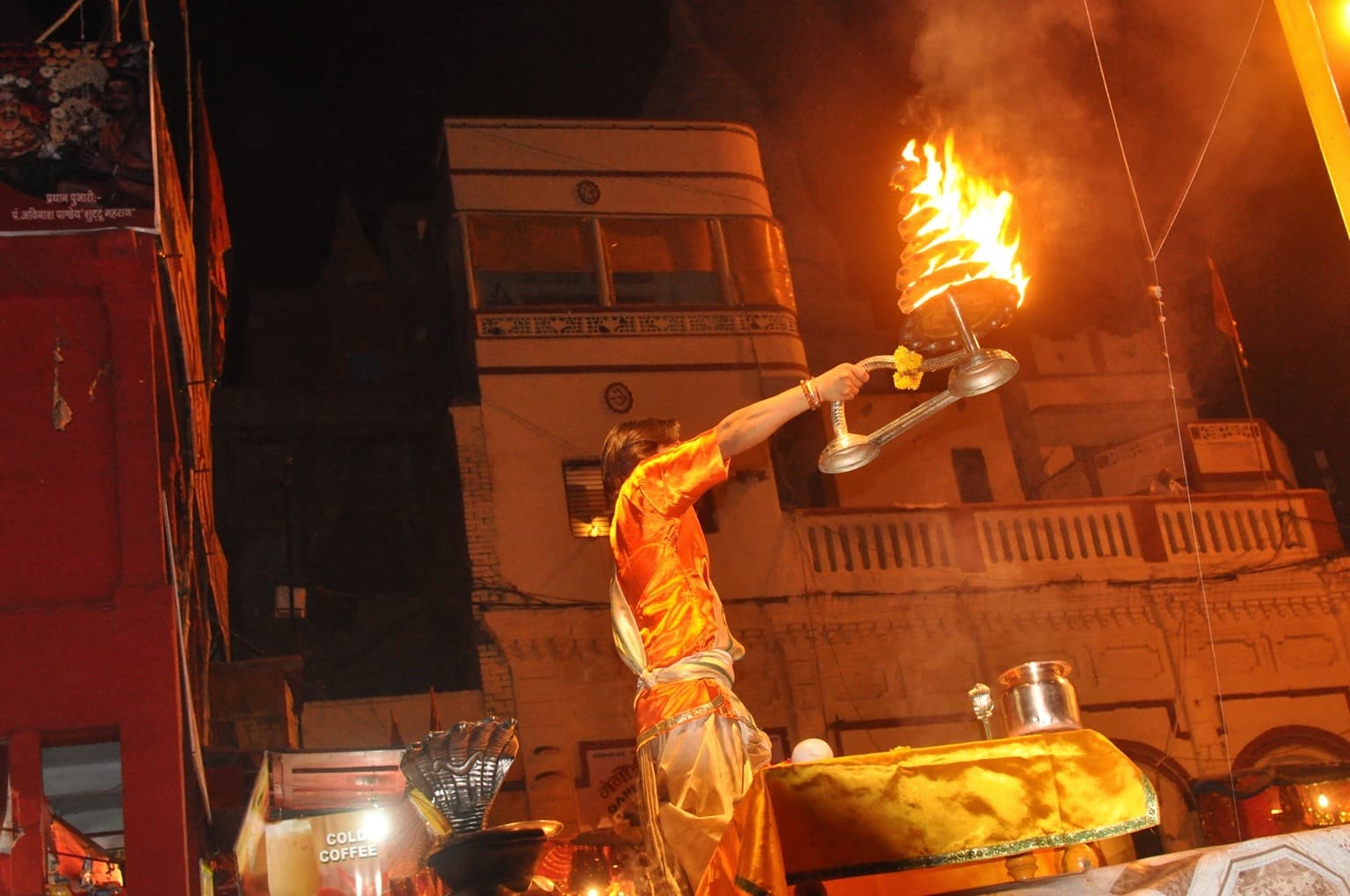
The Ganges is central to the religious geography of Varanasi. Bathing, prayer, offerings, remembrance of the dead and pilgrimage occur along the river. The riverfront therefore functions both as a physical edge of the city and as a network of sacred places whose meanings are shaped by tradition, temple association and ritual use.
Pilgrims may come to Varanasi to bathe in the Ganges, visit temples, perform rites, undertake prescribed circuits or seek darshan — the devotional experience of seeing and being seen by a deity or sacred presence. Practices vary widely by family, region, sect and purpose.
Some Hindu traditions hold that death in Kashi, or the performance of funerary rites there, has a special relationship to moksha, liberation from the cycle of rebirth. This belief helps explain the importance of cremation ghats and institutions associated with end-of-life residence. It should be described as a religious tradition, not as a scientific or universal claim.
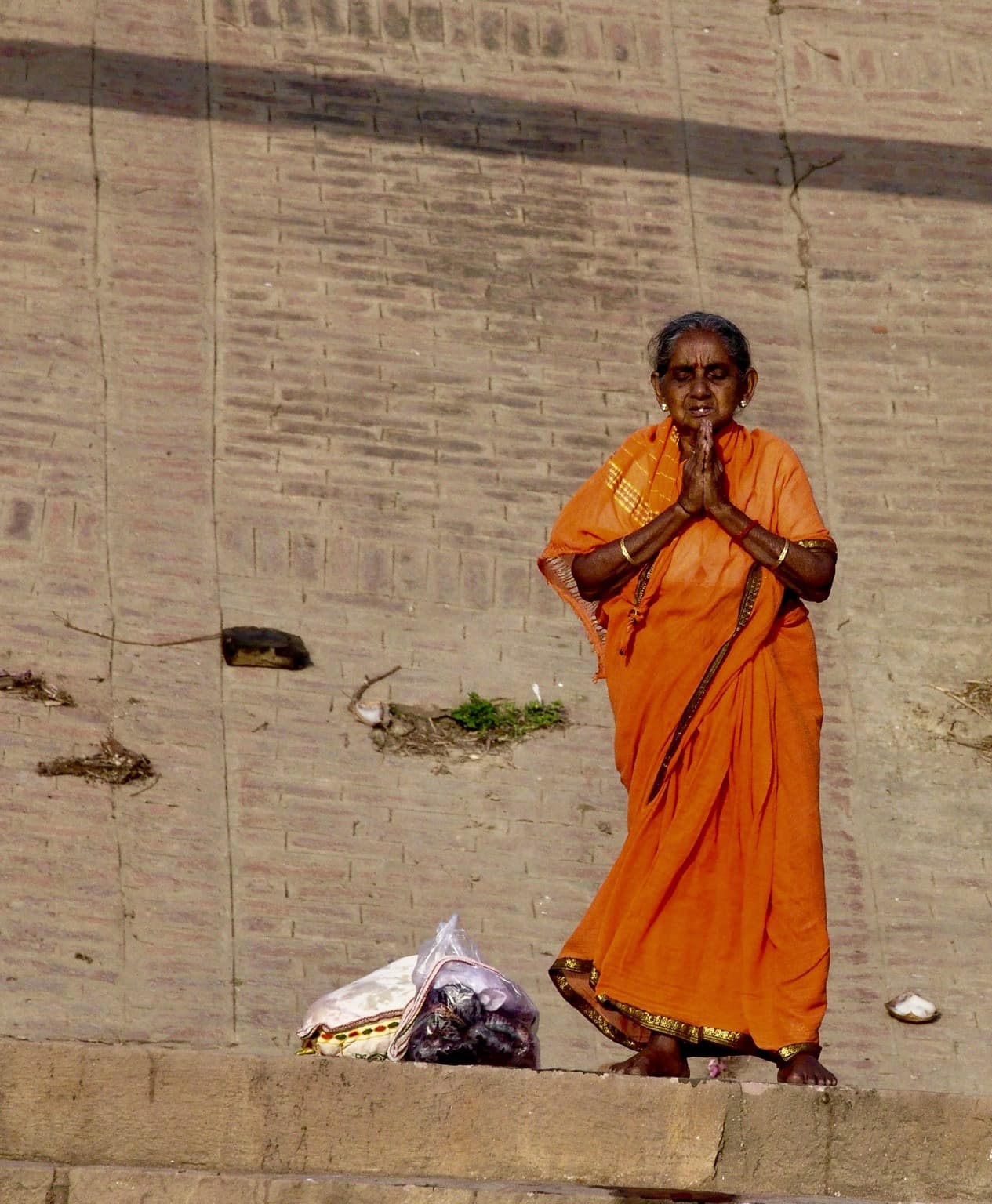
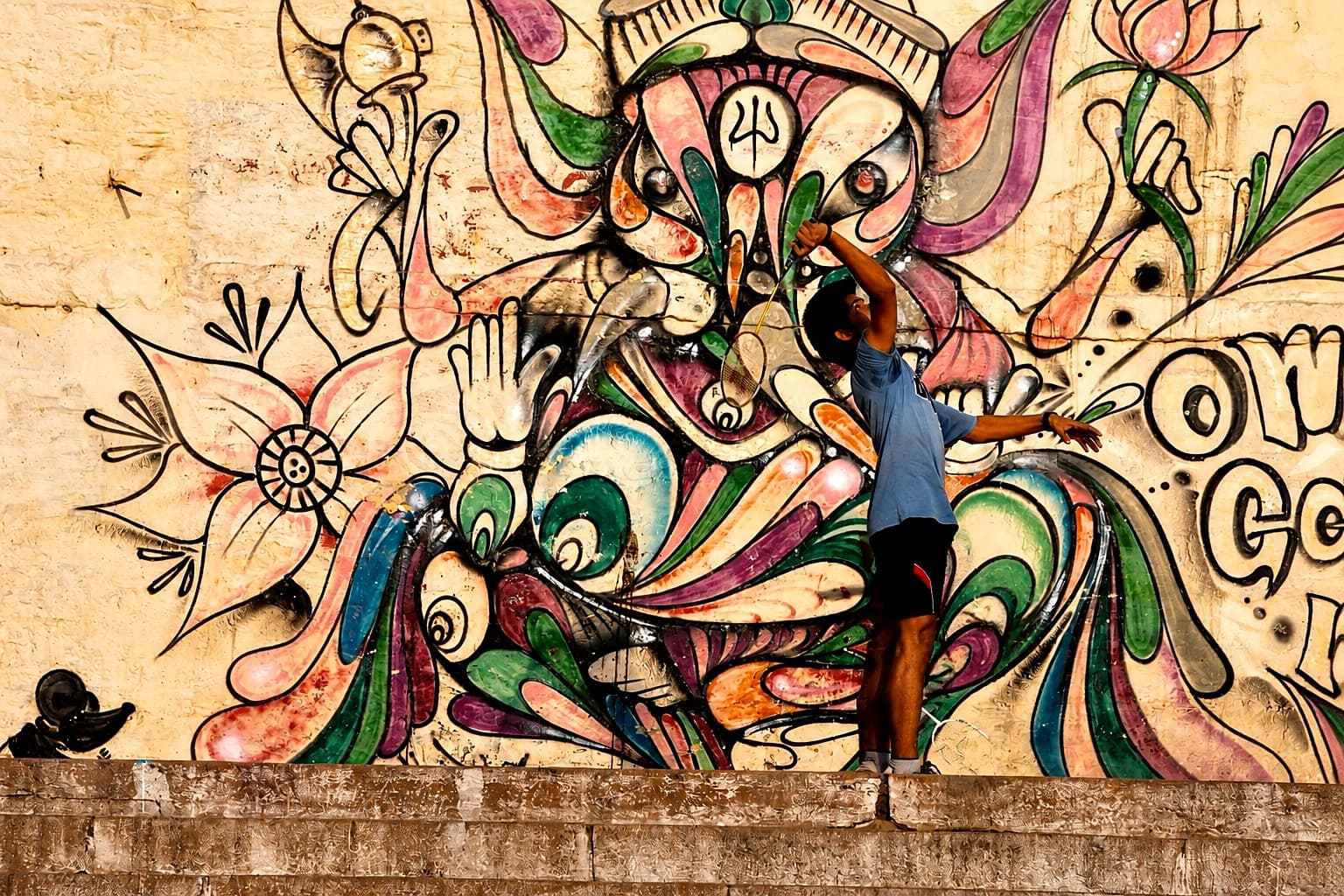
The documentary record also shows quieter forms of religious life: a solitary prayer, a small shrine, a gesture toward the river, a painted deity beside children at play. These moments are important because they show that sacred meaning in Varanasi is not confined to major ceremonies.
These sources support the historical and cultural context of this article. They are provided so interested readers, students and researchers can continue beyond the introductory text.
Related documentary material
Return to experience
Explore this place →Explore the Knowledge Centre →Read documentary stories →Continue discovering →