Everyday Lives Documentary Archives
Loading the documentary experience…
Photography and text are prioritized. Interactive geographic context loads only when needed.
Everyday Lives Documentary Archives
Photography and text are prioritized. Interactive geographic context loads only when needed.
Documentary Knowledge Centre
Faith & Practice
Cloth, flowers, pigments, lamps and painted images can carry devotional importance, but colour meanings vary by tradition, region, deity, ritual and community.
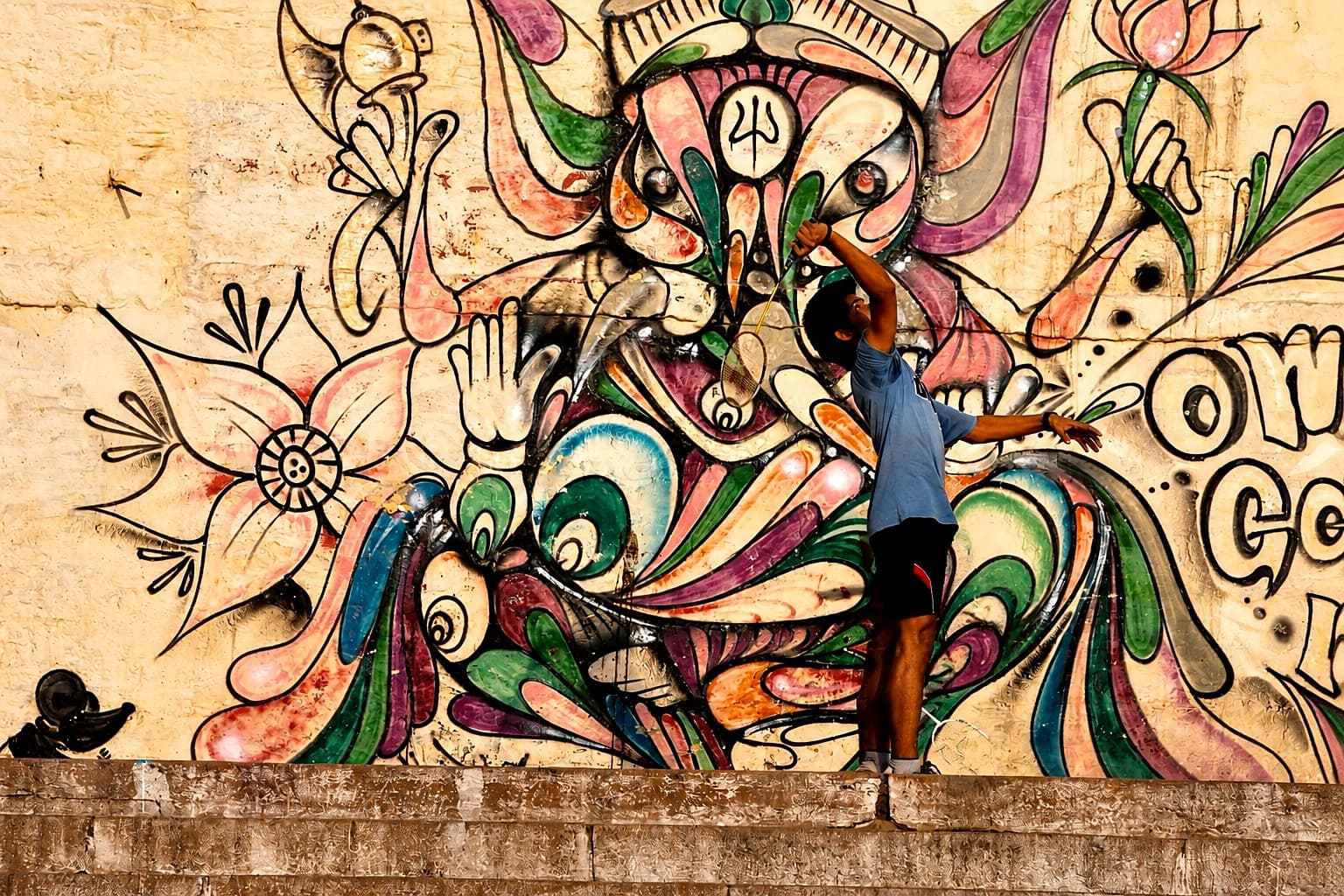
In Indian religious life, colour may appear in clothing, sacred cloths, flowers, powders, painted or dressed images, lamps, banners, architecture and temporary decoration. The visual field of worship can therefore be intensely material and sensory rather than confined to words or interior belief.
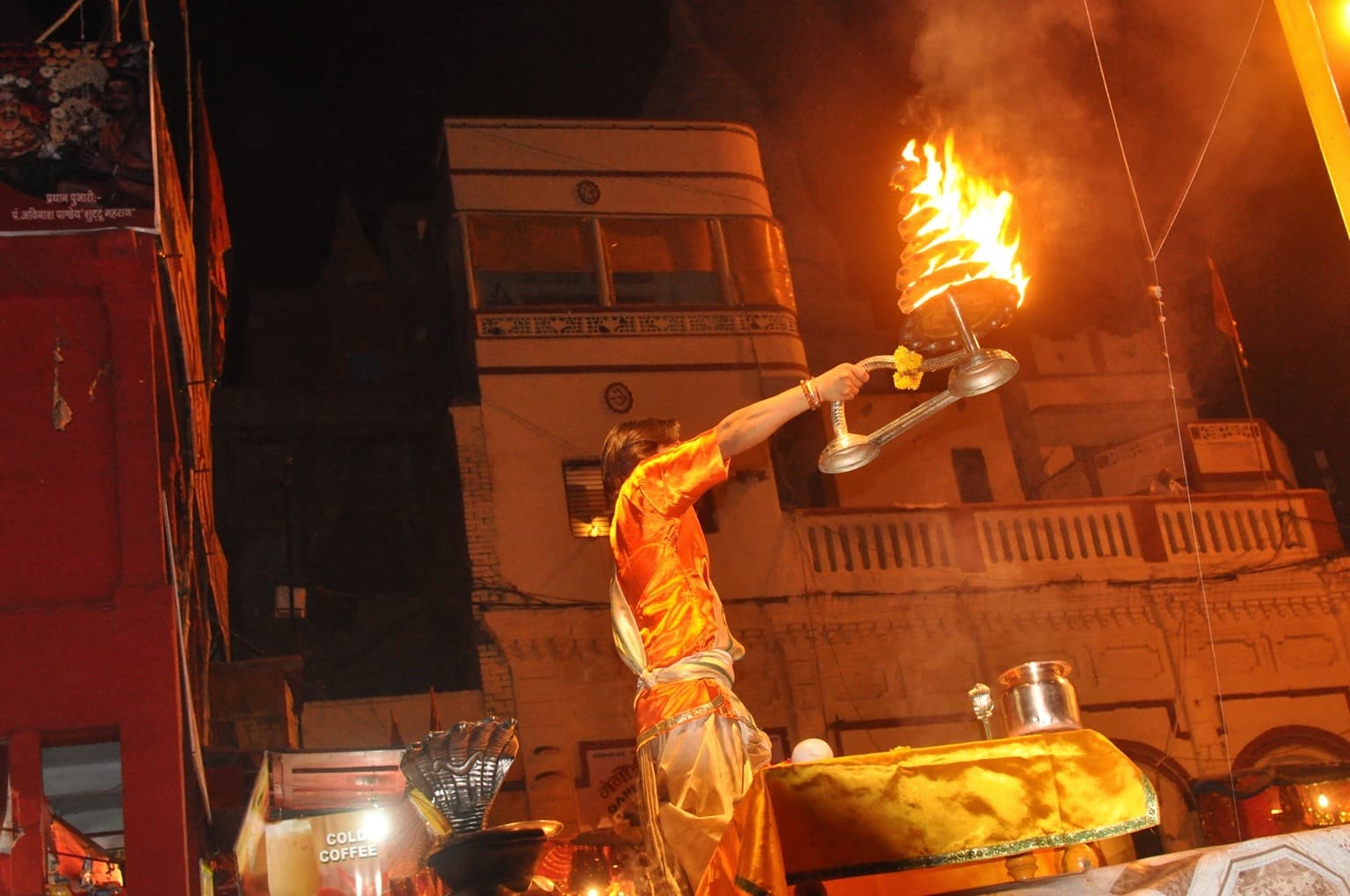
Smithsonian material on Hindu worship describes puja as an engagement of the senses that may include bathing and dressing a deity, jewellery, flowers, sandalwood, food, incense, sound and lamps. In this setting, colour is one part of a larger sensory practice rather than an isolated code.
Popular explanations often assign one fixed meaning to red, saffron, yellow, green, white or blue. Some associations are real within particular traditions, but meanings can change with region, deity, sect, life stage, ceremony and historical period. Everyday Lives therefore avoids presenting colour symbolism as universal unless the context is specific and well sourced.
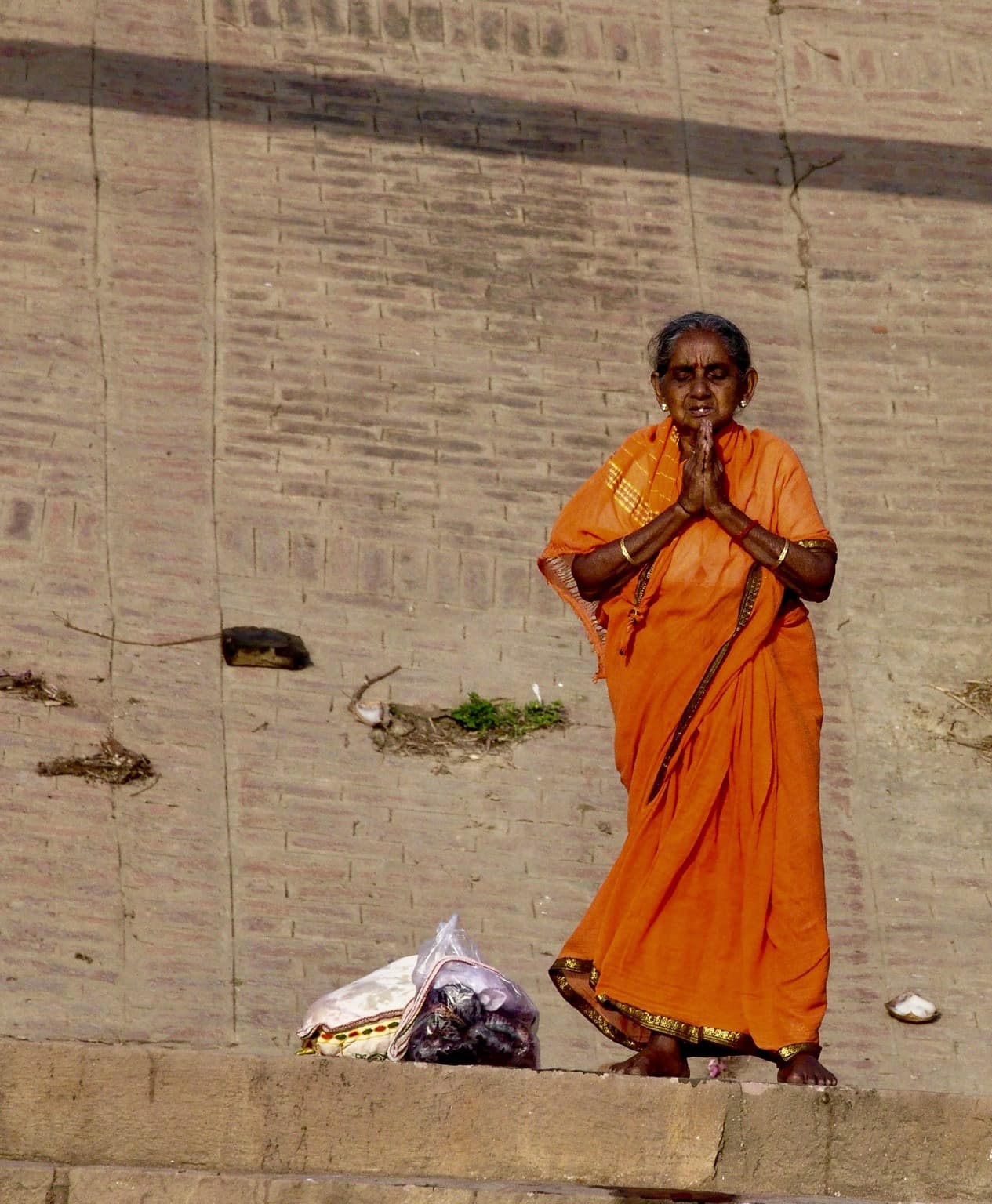
Hindu, Sikh, Muslim, Buddhist, Jain and Christian communities in India all have rich visual traditions, but they do not share one system of colour symbolism. Even within a single religion, architecture, clothing, flowers and ceremonial objects may vary widely. A photograph should not be used to infer a person’s religion merely from the colour of clothing.
When colour appears in a religious photograph, the archive asks what can actually be documented: is the cloth part of a ritual, is the pigment an offering, is the flower garland devotional, is a wall painting associated with a particular shrine? That is more reliable than assuming colour itself proves identity or belief.
These sources support the historical and cultural context of this article. They are provided so interested readers, students and researchers can continue beyond the introductory text.
Related documentary material
Return to experience
Explore the Knowledge Centre →Read documentary stories →Continue discovering →